1516 Legacy Cir, Naperville, IL 60563




Crowns vs. Veneers: Why Your Dentist Recommends One Over the Other

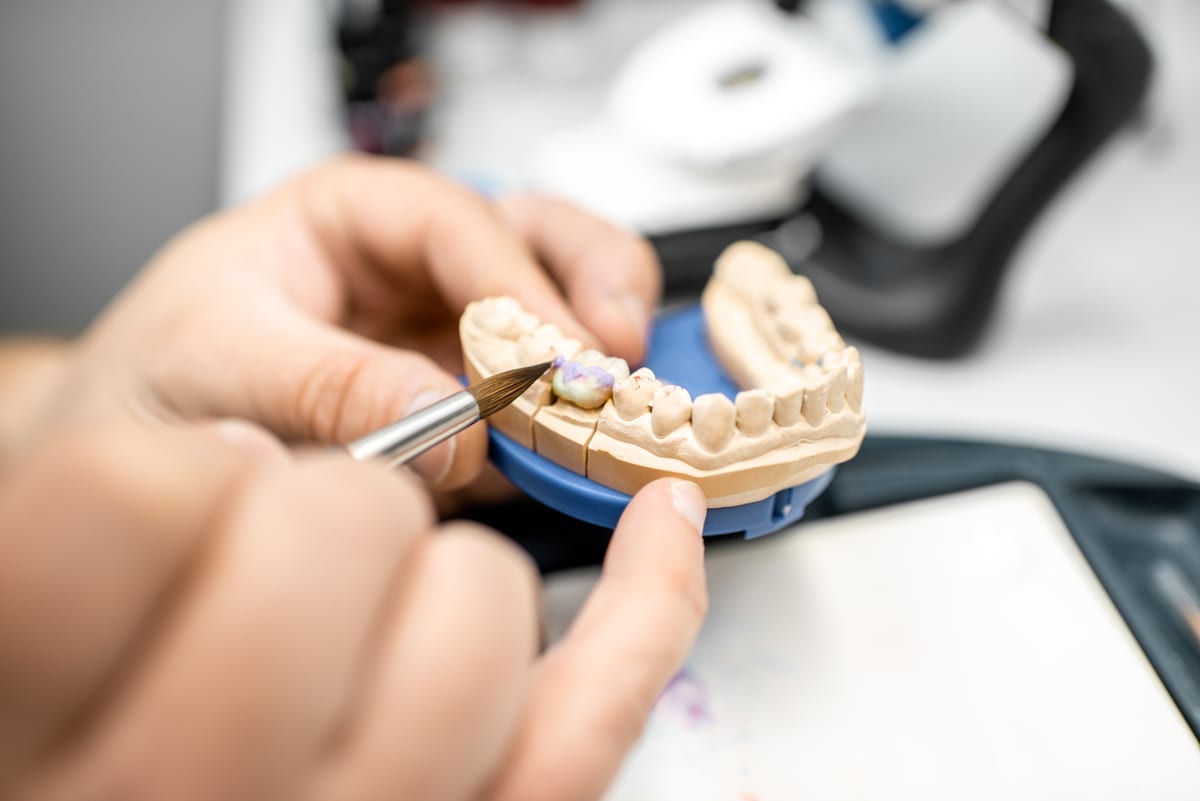
When your dentist tells you that you need a crown or a veneer, it can feel confusing. Both restorations improve your smile, but they serve very different purposes. Understanding crowns vs. veneers and why your dentist recommends one over the other in Naperville helps you feel confident in your treatment plan. Dr. Keven Wells at Living Well Dental Group explains the clinical reasoning behind each recommendation so you can make an informed decision.
What Is the Core Difference Between a Crown and a Veneer?
A dental crown covers the entire tooth. It wraps around all surfaces from the chewing edge down to the gum line. A veneer, by contrast, covers only the front-facing surface of a tooth. It is a thin shell bonded to the visible side.
This structural difference drives almost every clinical recommendation. Crowns protect and restore damaged teeth. Veneers primarily change how a tooth looks. Both are durable, long-lasting restorations — but they solve different problems.
At Living Well Dental Group, Dr. Wells evaluates each patient’s tooth structure, bite, and cosmetic goals before recommending either option. The goal is always to use the least invasive treatment that fully solves the problem.
When Your Naperville Dentist Recommends a Crown Over a Veneer
Crowns become the right choice when a tooth’s structural integrity is compromised. Several clinical situations point clearly toward a crown recommendation.
- Large decay or cavity: When decay removes a significant portion of tooth structure, a veneer cannot support the remaining tooth.
- Cracked or fractured tooth: A crown holds a cracked tooth together and prevents further splitting.
- Tooth after a root canal: Root canal-treated teeth become brittle. A crown protects them from breaking under chewing pressure.
- Heavily worn teeth: Grinding can wear teeth down to the point where a full crown is the only reliable restoration.
- Existing large fillings: When old fillings take up more than half of the tooth, a crown offers better long-term support.
Dr. Wells often explains it this way: a veneer is like a protective film on a wall. A crown is like rebuilding the wall entirely. If the foundation is weak, you need the crown.
Good Preventive Dentistry Naperville habits can reduce the risk of needing a crown, but some damage simply requires one to protect the tooth long-term.
When a Veneer Is the Better Clinical Choice
Veneers work best when the underlying tooth is structurally sound. They address cosmetic concerns without removing the full tooth structure a crown requires. Your dentist looks for specific conditions before recommending a veneer.
- Mild to moderate discoloration: Stains that do not respond to whitening can be covered with a porcelain veneer.
- Minor chips or small fractures: Surface-level chips on otherwise healthy teeth are ideal candidates for veneers.
- Slight gaps between teeth: Veneers can close small spaces that bother you aesthetically.
- Mildly misshapen teeth: Teeth that are slightly uneven in size or shape can be corrected with veneers.
- Healthy enamel present: Veneers bond to enamel — if enamel is largely intact, veneers are a viable and conservative choice.
Veneers require removing a thin layer of enamel — usually less than a millimeter. That is far less tooth removal than a crown requires. When the tooth does not need structural repair, preserving that enamel matters.
Patients who are exploring alignment options may also ask about Invisalign Faqs Naperville as an alternative to veneers for spacing or alignment concerns. Sometimes orthodontics is the more appropriate first step.
The Role of Bite and Tooth Position in the Decision
Many patients overlook how bite mechanics influence the crown vs. veneer recommendation. Your back teeth experience enormous chewing forces. Veneers on back teeth may not survive those pressures long-term. Crowns are far more durable in high-stress positions.
Front teeth experience less direct biting pressure. That makes veneers a more practical option for upper and lower front teeth. Dr. Wells always assesses how your teeth come together before finalizing any recommendation.
Your bite alignment also plays a role. Patients with a deep overbite or clenching habits may crack veneers more easily. In those cases, a crown — or sometimes a night guard combined with other treatment — becomes the clinically safer path.
How Dr. Wells Makes the Final Recommendation at Living Well Dental Group
Dr. Wells uses a thorough examination process to choose between crowns and veneers. He takes X-rays to assess internal tooth health. He checks bite alignment and enamel thickness. He reviews your dental history and listens to your cosmetic goals.
No two patients are the same. A tooth that looks identical to another patient’s tooth may have very different internal damage. The clinical picture beneath the surface determines the right restoration — not how the tooth looks from the outside.
Dr. Wells also considers longevity. A veneer placed on a structurally compromised tooth may fail early. A crown placed unnecessarily removes healthy structure that did not need to go. Getting this decision right the first time protects your investment and your oral health.
Living Well Dental Group serves patients throughout Naperville, IL with this same evidence-based, patient-centered approach to every restorative and cosmetic decision.
Frequently Asked Questions
How long do crowns last compared to veneers?
Dental crowns typically last 10 to 15 years or longer with proper care. Porcelain veneers generally last 10 to 12 years before they may need replacement. Both restorations last longer when patients maintain good oral hygiene and avoid habits like grinding or chewing hard objects.
Does getting a crown hurt more than getting a veneer?
Neither procedure should be painful during treatment. Dr. Wells uses local anesthesia for both procedures. Crowns require more tooth reduction, so some patients experience slightly more sensitivity afterward. That sensitivity typically resolves within a few days after placement.
Can a veneer be used to fix a broken tooth?
A veneer may fix a minor chip on an otherwise healthy tooth. However, a significant break or fracture usually requires a crown. Dr. Wells evaluates the extent of the break and the remaining tooth structure before recommending either option.
Will my veneer or crown look natural?
Modern porcelain crowns and veneers are designed to match the color, shape, and translucency of your natural teeth. Dr. Wells works carefully to match surrounding teeth so restorations blend seamlessly into your smile.
Is one option more affordable than the other?
Veneers and crowns are priced differently depending on materials and the complexity of the case. In general, veneers tend to cost less per tooth than full crowns. However, choosing the wrong restoration based on cost alone can lead to early failure and higher costs over time. Dr. Wells always recommends the option that is clinically appropriate for your specific situation.
If you are unsure whether a crown or veneer is right for your situation, a consultation with Dr. Keven Wells at Living Well Dental Group in Naperville, IL is the best next step. He will walk you through the clinical reasoning specific to your tooth and help you understand all your options clearly. Book Now to schedule your appointment with our team.