1516 Legacy Cir, Naperville, IL 60563




Is Your Tooth Pain a Dental Emergency? A Triage Guide for Naperville Patients

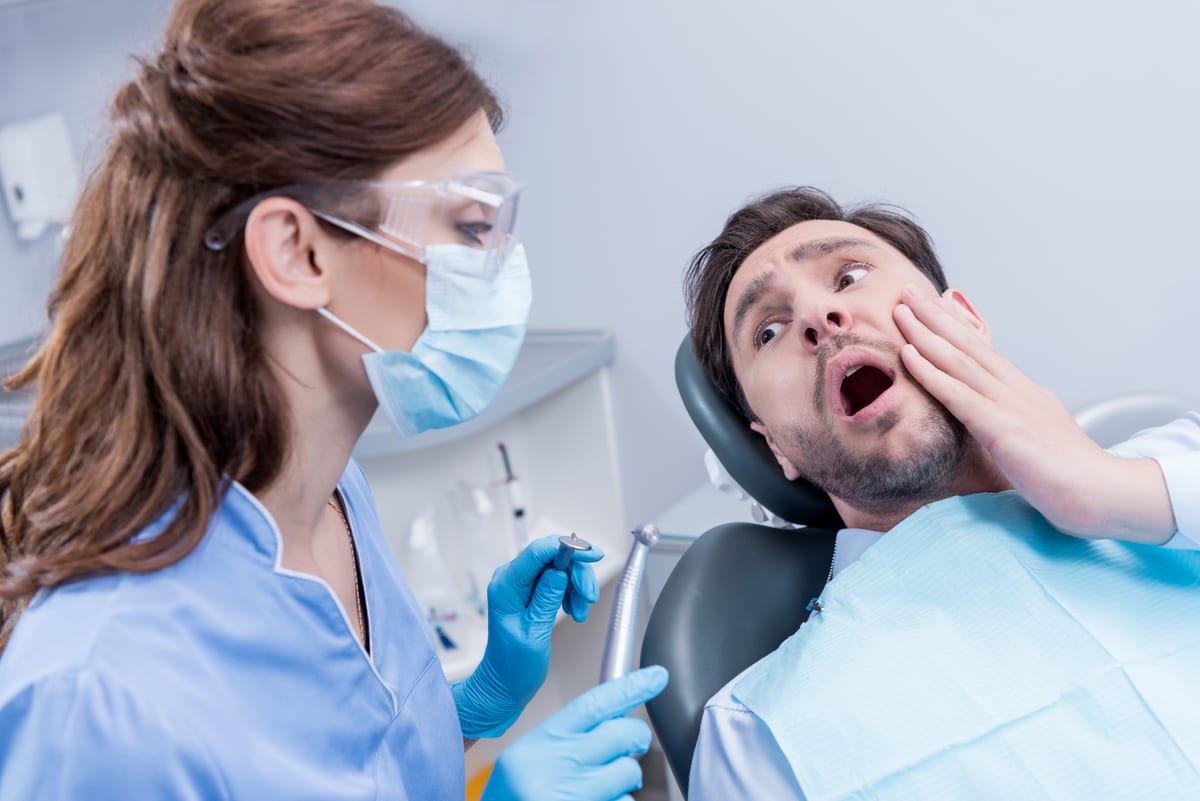
Tooth pain can strike at any time. Sometimes it fades on its own. Other times, it signals something serious. Knowing whether your tooth pain is a dental emergency helps you act fast — and stay calm. This triage guide for Naperville patients walks you through the most common situations. Dr. Keven Wells and the team at Living Well Dental Group are here to help you make the right call.
What Counts as a Dental Emergency in Naperville?
Not every toothache requires an emergency visit. However, some symptoms demand immediate attention. Delaying care can turn a manageable problem into a serious one. Understanding the difference is the first step toward protecting your smile.
A true dental emergency usually involves one or more of these warning signs:
- Severe, throbbing pain that doesn’t respond to over-the-counter pain relief
- Visible swelling in your face, jaw, or gums
- Uncontrolled bleeding that lasts more than 10 minutes
- A knocked-out or severely loosened tooth
- Difficulty breathing or swallowing alongside dental pain
- A dental abscess with fever or facial swelling
If you experience any of these, contact Living Well Dental Group right away. Early treatment prevents complications and reduces pain faster.
Triage Guide: How to Read Your Tooth Pain Symptoms
Let’s break down the most common situations Naperville patients face. Each scenario below helps you decide whether to call immediately, schedule soon, or monitor at home.
Severe Swelling or Abscess
Swelling in your face or jaw is never normal. It often means infection has spread beyond the tooth. A dental abscess can become life-threatening if left untreated. Call our office immediately — do not wait overnight.
A Knocked-Out Tooth
Act within 30 minutes for the best chance of saving the tooth. Pick it up by the crown, not the root. Rinse it gently with water and try to reinsert it in the socket. If that’s not possible, keep it moist in milk and call us right away.
Cracked or Broken Tooth
A small chip without pain can often wait for a scheduled appointment. A crack that causes sharp pain when biting needs urgent care. Rinse your mouth with warm water. Apply a cold compress to reduce swelling while you call us.
Persistent or Throbbing Toothache
Mild sensitivity to hot or cold may not be an emergency. However, a toothache that throbs constantly needs evaluation. Pain that wakes you from sleep is a red flag. Schedule an appointment as soon as possible — don’t try to wait it out.
Bleeding Gums
Occasional gum bleeding during brushing can relate to gum disease. That’s important but not always an emergency. However, uncontrolled bleeding after an injury or extraction needs immediate attention. Apply gentle pressure and call our team right away.
What to Do While You Wait for Your Appointment
Taking the right steps before your appointment can reduce pain and prevent further damage. These tips apply whether you’re dealing with a true emergency or a same-day urgent visit.
- Rinse with warm salt water — This reduces inflammation and keeps the area clean.
- Use over-the-counter pain relievers — Ibuprofen helps with both pain and swelling. Follow package directions carefully.
- Apply a cold compress — Use it on your cheek for 20 minutes on, 20 minutes off.
- Avoid very hot or cold foods — Temperature extremes can worsen tooth sensitivity and pain.
- Do not put aspirin directly on the gum — This can burn soft tissue and cause more harm.
These steps manage symptoms temporarily. They do not replace professional dental care. Always follow up with your dentist even if pain seems to improve on its own.
When It’s Not an Emergency — But Still Needs Attention
Some situations feel alarming but don’t require a same-day visit. Mild sensitivity, a lost filling, or a small chip can usually wait a day or two. Still, don’t put it off for weeks. Minor problems can become major ones when ignored.
Staying current with routine care is the best way to catch problems early. Good Preventive Dentistry Naperville patients are less likely to face dental emergencies. Regular cleanings and exams help Dr. Wells spot issues before they become painful.
If you’re also exploring cosmetic options like straightening your teeth, check out our Invisalign Faqs Naperville page for helpful guidance. Healthy teeth are the foundation for any cosmetic treatment.
How Living Well Dental Group Handles Dental Emergencies in Naperville
Dr. Keven Wells and our Naperville team take dental emergencies seriously. We prioritize same-day appointments for urgent cases whenever possible. Our goal is to relieve your pain quickly and address the underlying problem.
We treat a wide range of urgent concerns including cracked teeth, abscesses, knocked-out teeth, and severe pain. Our calm, experienced team will guide you through every step. You won’t feel rushed or overwhelmed when you call us.
Living Well Dental Group serves patients across Naperville and the surrounding communities. We believe everyone deserves fast, compassionate care when it matters most. You don’t have to face a dental crisis alone.
Conclusion: Know When to Call — and Don’t Wait
Dental emergencies are stressful, but knowing what to look for makes a real difference. Use this triage guide to assess your symptoms clearly and calmly. When in doubt, it’s always better to call and ask than to wait and wonder. Dr. Wells and the Living Well Dental Group team are ready to help Naperville patients get the care they need — fast. Book Now to schedule your appointment with our team.
Frequently Asked Questions
How do I know if my toothache is a dental emergency?
If your pain is severe, constant, or accompanied by swelling, fever, or difficulty swallowing, treat it as an emergency. Mild discomfort that comes and goes may be able to wait a day or two. When in doubt, call your dentist — it’s always better to be safe.
What should I do if I knock out a tooth?
Pick up the tooth by the crown and rinse it gently. Try to reinsert it into the socket if possible. If not, keep it in milk or between your cheek and gum. Call your dentist immediately — acting within 30 minutes gives you the best chance of saving the tooth.
Can a dental abscess go away on its own?
No. A dental abscess will not resolve without professional treatment. The infection can spread to your jaw, neck, or even your brain if left untreated. This is always a dental emergency — contact your dentist right away and do not wait.
Is bleeding after a tooth extraction normal?
Some bleeding for the first few hours after an extraction is normal. Apply gentle pressure with gauze and bite down for 30–45 minutes. If bleeding is heavy, soaking through gauze, or continues for more than several hours, call your dental office immediately.
What counts as a same-day dental visit versus a true emergency?
A true emergency involves uncontrolled bleeding, severe swelling, difficulty breathing, or a knocked-out tooth. A same-day urgent visit might include a lost crown, moderate pain, or a broken tooth without severe symptoms. If you’re unsure, call Living Well Dental Group and describe your symptoms — our team will help you decide.