1516 Legacy Cir, Naperville, IL 60563




Dental Implants Lifespan in Naperville, IL

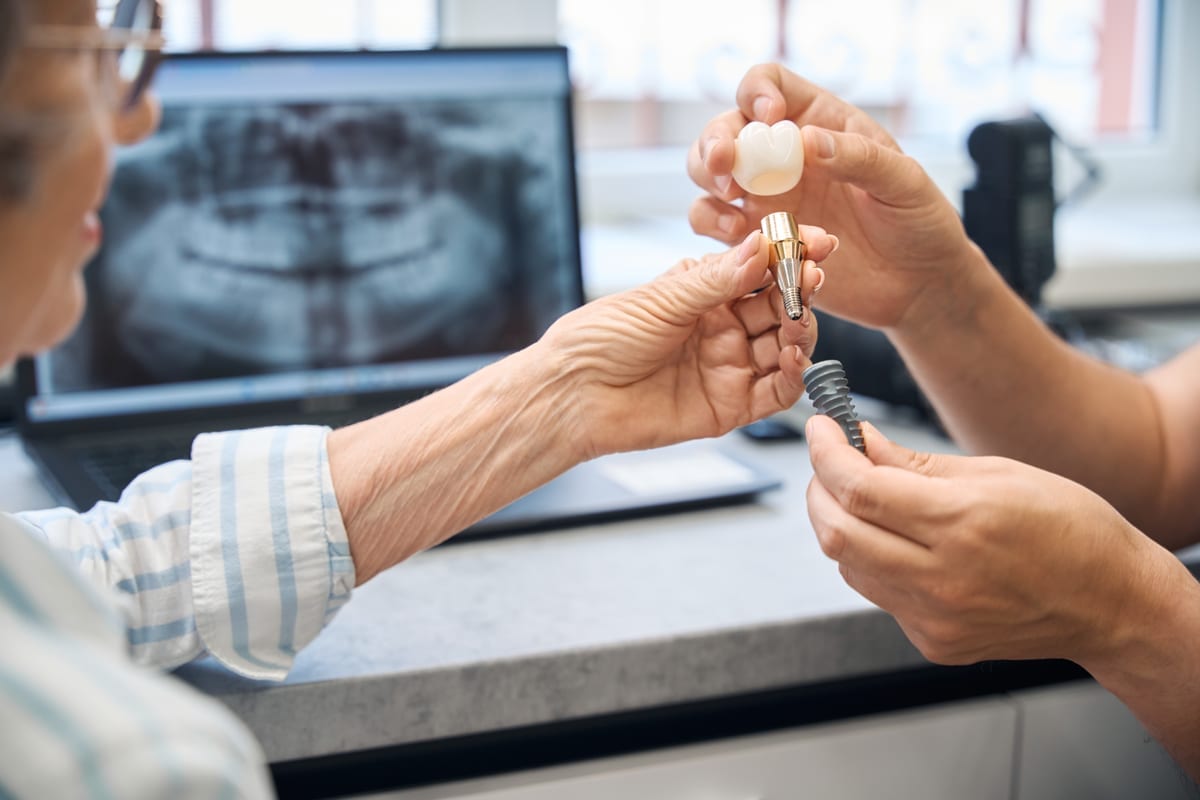
Can dental implants really last your entire lifetime in Naperville? It’s one of the most common questions patients ask Dr. Keven Wells at Living Well Dental Group. The short answer is yes — with the right care, dental implants can last decades or even a lifetime. But there are important factors every patient should understand before committing to this investment.
Dental implants are different from other tooth replacement options. They fuse directly to your jawbone through a process called osseointegration. This creates a stable, permanent foundation unlike bridges or dentures. That stability is exactly what gives implants their remarkable longevity potential.
How Long Do Dental Implants Actually Last in Naperville?
Studies show dental implant posts can last 25 years or longer. Many patients keep their implants for the rest of their lives without any issues. The titanium post itself rarely fails when properly placed and cared for. However, the crown attached to the implant typically lasts 10 to 15 years before needing replacement.
Think of it in two parts: the implant root and the visible crown. The root is built to last a lifetime. The crown faces daily wear from chewing and grinding. Replacing the crown is a simple procedure compared to the original implant surgery.
Naperville patients who choose implants often describe them as the last tooth replacement they’ll ever need. That long-term value is a major reason implants remain the gold standard in restorative dentistry.
Key Factors That Shorten Dental Implant Lifespan
Not every patient enjoys the same outcome with dental implants. Certain habits and health conditions can significantly reduce how long an implant lasts. Understanding these risks helps you make smarter decisions for your oral health.
Here are the most common factors that shorten implant lifespan:
- Poor oral hygiene: Bacteria buildup leads to peri-implantitis, an infection around the implant site.
- Smoking: Tobacco reduces blood flow and interferes with bone healing after surgery.
- Uncontrolled diabetes: High blood sugar slows healing and increases infection risk significantly.
- Teeth grinding (bruxism): Constant pressure can crack the crown or loosen the implant over time.
- Bone loss: Insufficient bone density makes it harder for the implant to stay secure long-term.
- Skipping dental checkups: Problems caught early are far easier to treat before they worsen.
Dr. Wells evaluates each patient individually before recommending implants. Some patients need preparatory treatments like bone grafting. Addressing these risk factors early dramatically improves long-term success rates.
What You Can Do to Make Dental Implants Last a Lifetime
The good news is that most implant longevity is within your control. Consistent daily habits make an enormous difference over the years. Patients who follow a solid maintenance routine nearly always see better long-term results.
Here are proven strategies to protect your implant investment:
- Brush twice daily with a soft-bristle toothbrush around the implant site.
- Floss daily using implant-specific floss or a water flosser to clean beneath the crown.
- Visit Living Well Dental Group every six months for professional cleanings and exams.
- Wear a custom night guard if you grind your teeth during sleep.
- Avoid chewing on ice, hard candies, or other extremely hard foods.
- Quit smoking or using tobacco products as soon as possible.
Routine Preventive Dentistry visits are essential for implant success. Professional cleanings remove bacteria that home care can miss. Dr. Wells also checks the implant’s stability and the surrounding bone at every visit.
Patients straightening their teeth with orthodontic treatment should also know that alignment affects bite pressure on implants. If you’re curious about teeth straightening alongside implants, check out our Invisalign Faqs page for more details.
Signs Your Dental Implant May Need Attention
Even with excellent care, implants occasionally develop issues. Catching problems early protects both the implant and your surrounding oral health. Never ignore warning signs, even if they seem minor at first.
Watch for these red flags and contact Dr. Wells promptly if you notice them:
- Swelling, redness, or bleeding around the implant site
- The implant feels loose or shifts when you bite
- Persistent pain or pressure that doesn’t go away
- Receding gum tissue around the implant crown
- Difficulty chewing that wasn’t present before
Peri-implantitis is the most common serious complication. It’s an inflammatory condition similar to gum disease. When treated early, the implant can often be saved. Delayed treatment may result in bone loss and eventual implant failure.
Living Well Dental Group in Naperville uses advanced imaging tools to monitor bone levels around implants. Regular X-rays help detect bone changes before they become serious problems. This proactive approach is a cornerstone of the care Dr. Wells provides.
Why Naperville Patients Trust Living Well Dental Group for Implants
Dr. Keven Wells combines clinical expertise with a genuine commitment to patient education. He believes informed patients make better long-term decisions about their oral health. That philosophy drives everything at Living Well Dental Group.
The practice offers comprehensive care under one roof. From initial consultations and bone grafting to implant placement and crown restoration, every step happens here. Patients don’t need to visit multiple specialists across Naperville.
Dr. Wells also takes time to discuss realistic expectations. He explains exactly what the implant process involves and what maintenance looks like long-term. That transparency builds trust and helps patients feel confident in their choice.
Dental implants are one of the most significant investments you can make in your smile and quality of life. With proper care and the right dental team, they truly can last your entire lifetime. The team at Living Well Dental Group is here to help you every step of the way. Book Now to schedule your appointment with our team.
Frequently Asked Questions
Can dental implants really last your entire lifetime in Naperville?
Yes, dental implants can last a lifetime for many patients. The titanium post that fuses to your jawbone is designed for permanent use. The crown on top typically needs replacement after 10 to 15 years. With consistent oral hygiene and regular checkups at Living Well Dental Group, most patients enjoy long-term implant success.
What is the biggest threat to dental implant longevity?
Poor oral hygiene is the leading cause of implant failure. It leads to peri-implantitis, a bacterial infection that destroys the bone supporting the implant. Smoking and uncontrolled systemic conditions like diabetes also significantly increase failure risk. Addressing these factors before and after surgery gives your implant the best chance of lasting.
How often should I see a dentist after getting an implant?
Patients with dental implants should visit their dentist every six months for cleanings and exams. Dr. Wells uses this time to check the implant’s stability and monitor surrounding bone levels. More frequent visits may be recommended if you have a history of gum disease. Consistent professional care is one of the most important things you can do to protect your implant.
Does teeth grinding affect how long a dental implant lasts?
Yes, bruxism places excessive pressure on the crown and the implant post. This can cause crown fractures, implant loosening, or even bone damage over time. Dr. Wells often recommends a custom night guard for patients who grind their teeth. Wearing it consistently reduces stress on the implant and extends its lifespan considerably.
Is the implant crown replaced the same way as the original surgery?
No, replacing the crown is a much simpler process than the original implant surgery. The titanium post stays in place, and a new crown is simply attached to it. The procedure is typically quick and does not require the healing time of the initial placement. Dr. Wells will let you know when your crown shows signs of wear and needs to be updated.