1516 Legacy Cir, Naperville, IL 60563



Dental Implant Recovery Guide

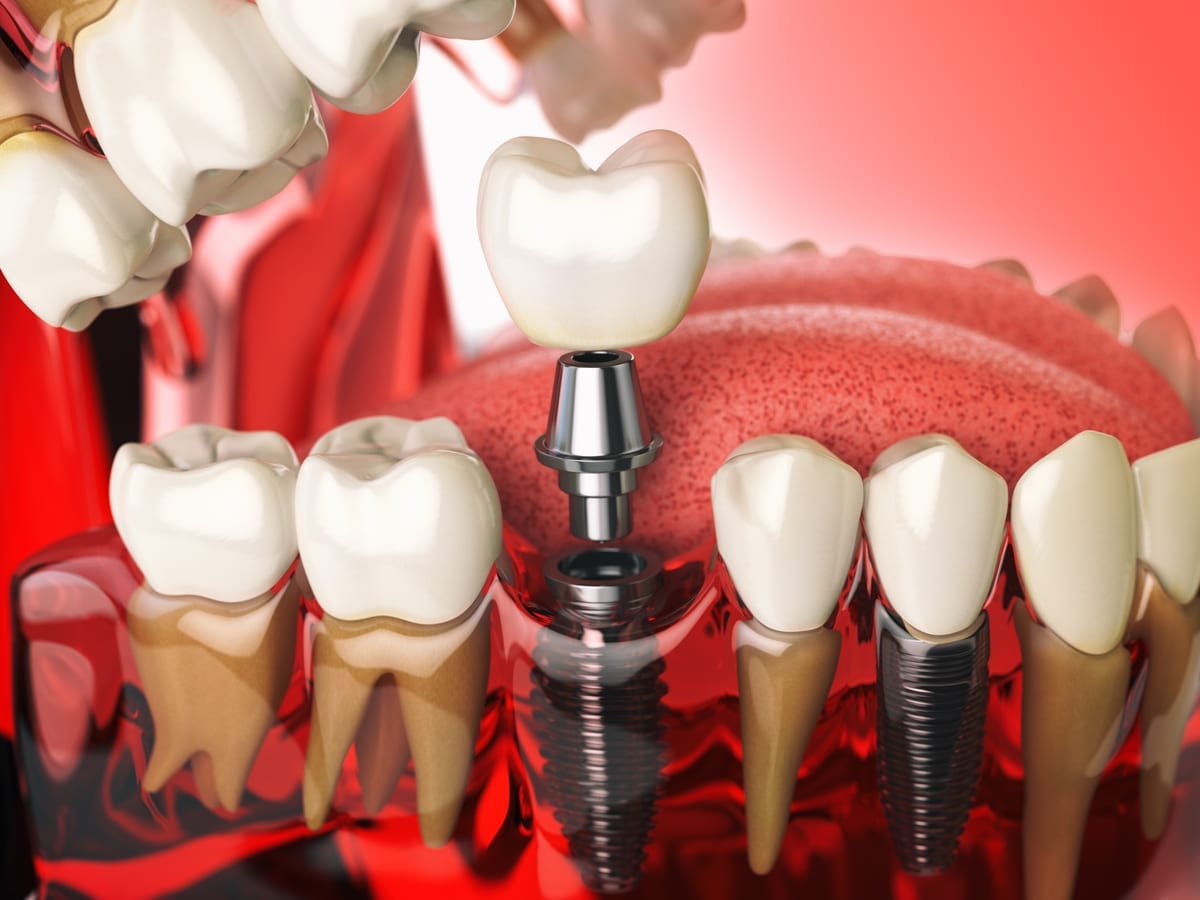
If you’re planning to get dental implants in Naperville, understanding the recovery process makes a big difference. Knowing what to expect during dental implant recovery — week by week — helps you heal faster and feel more confident. Dr. Keven Wells and the team at Living Well Dental Group want every patient to feel prepared. This guide walks you through the entire journey from day one to long-term success.
Week-by-Week Dental Implant Recovery: What Happens Right After Surgery
The first 24 to 72 hours are the most critical part of your recovery. Swelling, mild bleeding, and soreness are completely normal during this phase. Your body is beginning the healing process around the implant site. Following your post-op instructions carefully during these early days sets the foundation for success.
Most patients in Naperville return to light daily activities within one to two days. However, strenuous exercise and physical labor should be avoided for at least a week. Keeping your head elevated while resting reduces swelling significantly. Cold compresses applied to your cheek in 15-minute intervals also help manage discomfort.
Here is a quick summary of what to expect in the first few days:
- Some bleeding or oozing at the implant site
- Swelling around the jaw and cheeks
- Mild to moderate soreness managed with prescribed or over-the-counter pain relief
- Fatigue as your body focuses energy on healing
- Possible bruising around the jaw or neck area
What to Eat During Dental Implant Recovery in Naperville
Your diet plays a major role in how smoothly you heal. For the first week, stick to soft, cool, or lukewarm foods only. Hard, crunchy, or chewy foods can disrupt the implant site and cause complications. Proper nutrition also gives your body the fuel it needs to heal efficiently.
Good soft food options for the first week include:
- Smoothies and protein shakes (no straws — suction disrupts healing)
- Mashed potatoes, soft scrambled eggs, and yogurt
- Lukewarm soups with soft ingredients
- Applesauce, bananas, and soft-cooked vegetables
- Oatmeal and soft cooked pasta
By weeks two and three, you can gradually reintroduce softer solid foods. Most patients can return to a near-normal diet by week four. Always check with Dr. Wells before making any dietary changes during recovery. Every patient’s healing timeline is slightly different.
Managing Pain and Swelling: Week-by-Week Tips
Pain management is a top concern for most implant patients before surgery. The good news is that most people find the discomfort very manageable. Dr. Keven Wells will provide specific instructions for your situation after your procedure. Following those instructions closely keeps discomfort to a minimum throughout your recovery.
During week one, over-the-counter anti-inflammatory medications like ibuprofen work well for most patients. If prescription pain relief was provided, take it exactly as directed. Never skip doses during the first 48 hours — staying ahead of the pain is much easier than catching up. Rinse gently with warm salt water starting 24 hours after surgery to keep the area clean.
By week two, most patients notice a significant drop in discomfort. Swelling typically peaks around 48 to 72 hours and then gradually decreases. If pain increases rather than decreases after day three, contact our Naperville office right away. Worsening pain can sometimes indicate an infection that needs prompt attention.
During weeks three and four, most patients feel close to normal. You may still experience occasional tenderness when chewing. This is normal and typically resolves on its own. Continuing gentle oral hygiene habits protects the implant site during this phase.
Long-Term Care After Dental Implants: Protecting Your Investment
Dental implants are designed to last a lifetime with the right care. Once the implant fully integrates with your jawbone — a process called osseointegration — it becomes incredibly stable. This process typically takes three to six months depending on the individual. Attending all follow-up appointments with Dr. Wells ensures everything is progressing properly.
Good long-term oral hygiene is essential for implant success. Brush twice daily with a soft-bristle toothbrush. Floss around the implant carefully using implant-specific floss or a water flosser. Avoid smoking, as it significantly increases the risk of implant failure.
Routine dental checkups are just as important after implants as they are for natural teeth. At Living Well Dental Group, we recommend regular visits that include professional cleanings and implant evaluations. Maintaining strong Preventive Dentistry habits helps protect not just your implant but your entire smile. Patients who commit to regular care enjoy implants that function beautifully for decades.
If you are also exploring other treatments to improve your smile alongside implants, you might find our Invisalign Faqs page helpful for understanding additional options. Many Naperville patients combine treatments to achieve their ideal results. Dr. Wells will help you build a comprehensive plan tailored to your goals.
When to Call Our Naperville Office During Recovery
Most dental implant recoveries go smoothly without complications. However, it is important to know the warning signs that require a call to our office. Early intervention prevents minor issues from becoming serious problems. The team at Living Well Dental Group is always available to answer your questions.
Contact us right away if you experience any of the following:
- Severe or worsening pain after the third day post-surgery
- Fever above 101°F that does not improve
- Excessive swelling that continues to grow after 72 hours
- Persistent or heavy bleeding that does not slow down
- The implant feeling loose or shifting position
These symptoms do not necessarily mean something is seriously wrong. But prompt evaluation ensures your recovery stays on track. Never hesitate to reach out — that is exactly what our team is here for.
Your Naperville Implant Recovery Starts Here
Understanding what to expect during dental implant recovery week by week makes the entire process far less stressful. With the right preparation, diet, pain management, and long-term care, your implant journey can be smooth and successful. Dr. Keven Wells and the entire team at Living Well Dental Group are with you every step of the way. Book Now to schedule your appointment with our team.
Frequently Asked Questions
How long does dental implant recovery take in Naperville?
Most patients feel comfortable within one to two weeks after the implant procedure. However, full osseointegration — where the implant fuses with the jawbone — takes three to six months. Dr. Wells monitors this process through regular follow-up visits to ensure everything is healing properly.
Is dental implant surgery painful during recovery?
Most patients describe the discomfort as manageable and similar to a tooth extraction. Pain is typically strongest in the first 48 to 72 hours and then decreases steadily. Over-the-counter anti-inflammatory medications and prescribed pain relief help most patients stay comfortable throughout the healing period.
What foods should I avoid after getting a dental implant?
You should avoid hard, crunchy, chewy, or sticky foods for at least the first week after surgery. Extremely hot foods and drinks should also be avoided in the early days. Stick to soft, cool, or lukewarm options and gradually reintroduce solid foods as your comfort allows.
Can I brush my teeth after dental implant surgery?
Yes, but with care. You should brush gently around the implant site and avoid direct contact with it for the first few days. Use a soft-bristle toothbrush and rinse with warm salt water as directed by Dr. Wells. Keeping the area clean is important for preventing infection.
What is the success rate of dental implants?
Dental implants have a success rate of approximately 95 to 98 percent when placed and maintained properly. Factors like good oral hygiene, not smoking, and attending regular dental visits all contribute to long-term success. Dr. Keven Wells at Living Well Dental Group takes every step to ensure optimal outcomes for Naperville patients.