1516 Legacy Cir, Naperville, IL 60563




Closing The Tooth Gap: How Invisalign Can Fix A Diastema For A Symmetrical Smile in Naperville

A gap in the front teeth, referred to as a diastema, may make you conscious about showing your smile. It may be due to genetic factors, thumb sucking, or other factors, and it may impact confidence. However, the best news for you is that you no longer have to suffer from this problem, as orthodontic technology has developed a solution. You would no longer need metal braces for this.
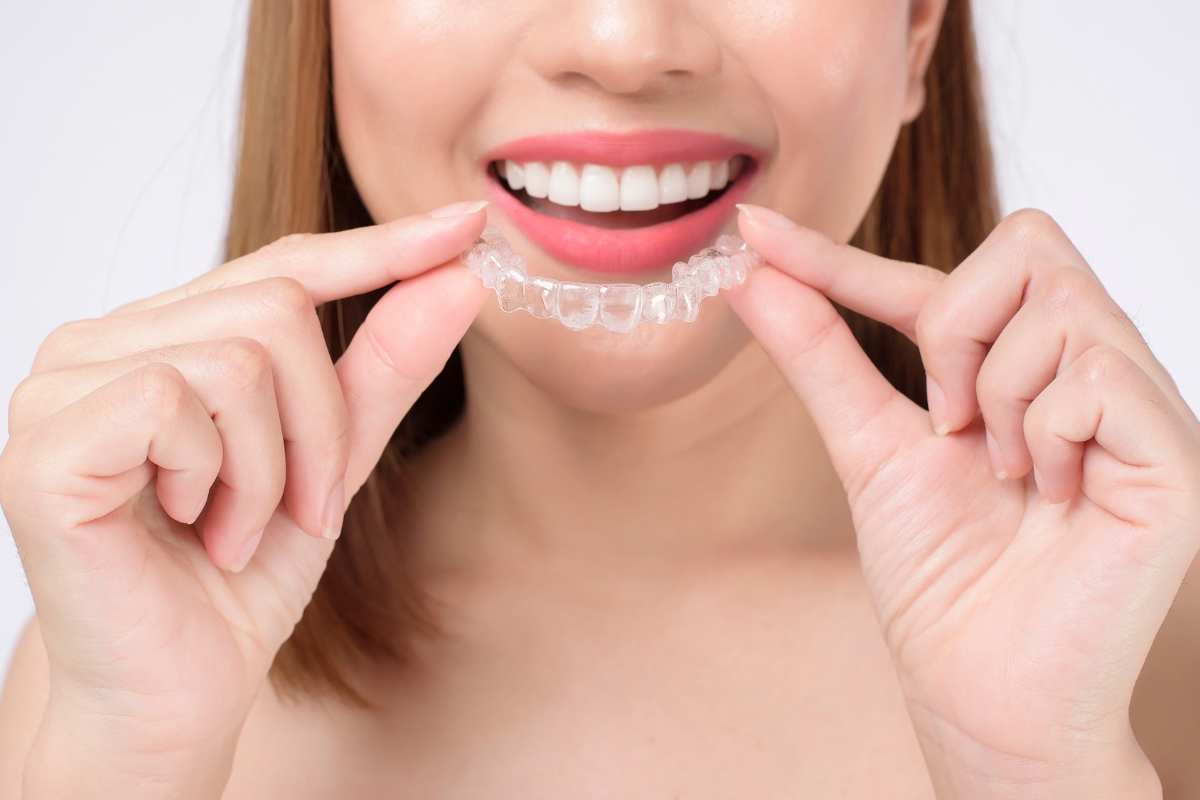
Invisalign aligners provide a painless, almost invisible orthodontic solution for straightening teeth, helping close the gap and deliver the symmetrical smile you have always dreamed of. Custom-made to fit perfectly around your teeth, these clear dental braces will carefully move teeth into their desired position. In this blog, we will discuss the process for closing a diastema with Invisalign and its benefits for those seeking an aesthetically pleasing smile.
What Is A Diastema?
Diastema is the medical terminology for the gap that generally occurs between two teeth. It is usually found in the upper front teeth. Diastema is not only aesthetically significant; it can also cause problems with the jaw. Gaps between teeth can vary in size, and some people may have them at birth, while others may develop them through practices such as sucking their thumbs.
If you are concerned about a tooth gap, you are definitely not alone. Lots of people are looking for a permanent solution to close the gap and give themselves an even smile. Conventional techniques, like braces, take longer and involve visible hardware. On the other hand, Invisalign in Naperville, IL, is more discreet and hence, is widely accepted.
How Invisalign Can Fix A Diastema?
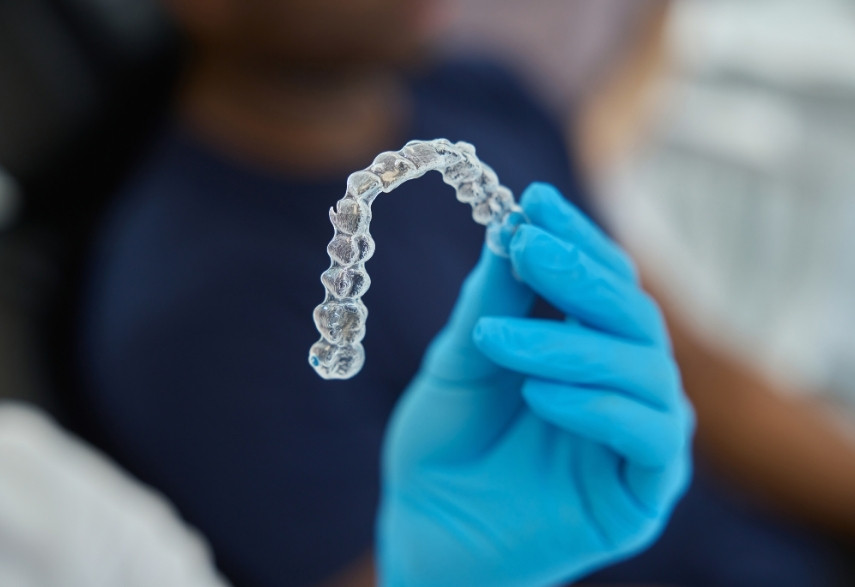
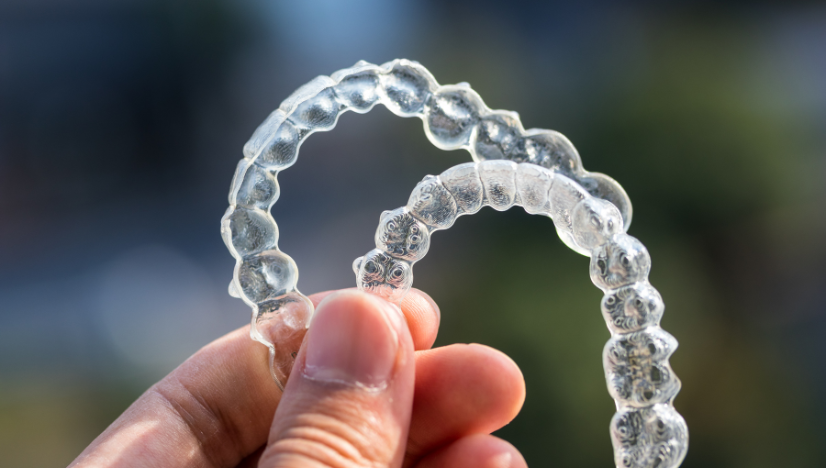
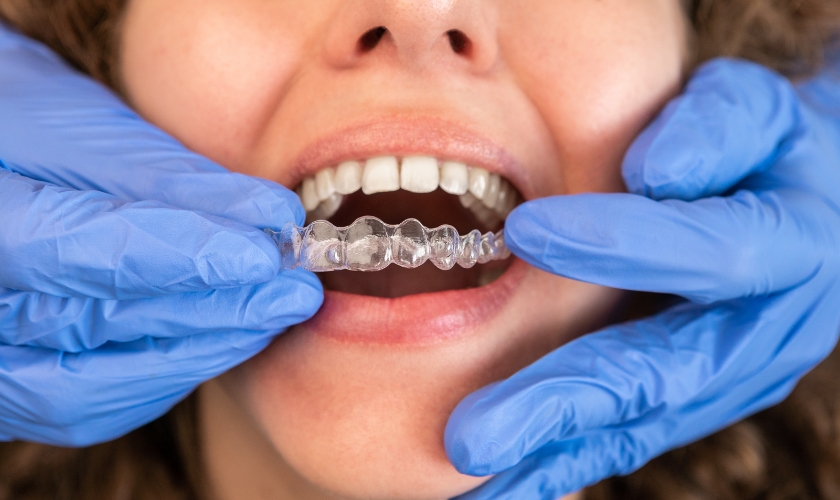
Invisalign aligners consist of a series of clear, customized plastic trays that are fitted snugly around your teeth. These trays are meant to shift your teeth into the correct alignment, including closing a gap like a diastema, using a gradual process. Invisalign typically involves an initial consultation with your dentist or an orthodontist.
These Invisalign braces are used for about a week to ten days, depending on the treatment you choose. You would then move to the next brace once the shifting process is complete. Another benefit of Invisalign aligners is that they can be removed easily, unlike traditional braces.
Advantages of Invisalign over Conventional Braces
Invisalign aligners have many benefits over conventional metal braces. Here are a few reasons why Invisalign has become increasingly popular for correcting diastema.
Camouflaged Treatment
These types of Invisalign braces are clear and thus inconspicuous. This makes them ideal for people looking to straighten their teeth without necessarily bringing attention to their orthodontic treatment. Such people may include professionals and others who require a discreet teeth-straightening procedure.
Comfort Convenience
Invisalign aligners are made from smooth plastic material and are therefore less likely to cause discomfort inside your mouth compared to conventional metal braces. Additionally, as Invisalign aligners are removable, you can comfortably remove them during meals and oral hygiene practices such as brushing and flossing.
Predictable Results
Invisalign uses state-of-the-art technology to create a digital simulation of your teeth and predict their movements throughout the treatment process. It enables you to know exactly when the treatment will be complete and what you can achieve before you actually begin.
Reduced Treatment Duration
Although treatment duration is likely to vary, the speed at which results are achieved with Invisalign is faster than with traditional braces. The aligners in Invisalign treatment are designed to allow teeth to move faster.
Invisalign Treatment – Step by Step
As you are now aware of the advantages of Invisalign, let’s move ahead in understanding how this treatment works. This will help you know what to expect at different stages as you begin your journey toward a gentle smile.
Step 1: Consultation and Treatment Planning
Your journey will start with a consultation, where the dentist or orthodontist will examine your teeth, make impressions, and develop a plan. All of this will depend on the size of the gap and the exact alignment to be achieved.
Step 2: Wearing Aligners
Once your custom aligners are all set, the process of using them continues. These custom aligners are changed every 1-2 weeks, and the procedure gradually moves your teeth toward the desired position. It is essential to wear the custom aligners for at least 20-22 hours a day.
Step 3: Regular Check-ins
You will be expected to attend regular checkups with your dentist. This will enable your doctor to monitor your progress and make sure that your teeth are moving as they should.
Step 4: Completing The Treatment
As your teeth move towards their final position, your gap will start to close. You will end up with a stunning smile after completing your final aligners.
Adopt Your Confident Smile
If you are searching for something that will help you close the distance between your teeth without putting you under the scrutiny of the world, then Invisalign could not be more ideal for you. Since the system uses clear aligners, the process and results are both facilitated and enhanced, especially given the simplicity and speed of Invisalign.
Are you ready to bid farewell to your diastema and say hello to confidence through your new smile? At Living Well Dental Group, we can help you create a treatment plan that ensures you always smile with confidence. Our team is dedicated to helping you achieve that beautiful, symmetrical smile. Contact us now to schedule an appointment and let us help you achieve this dream.
FAQs
- How long does it take to close a diastema with Invisalign?
The time it takes to close a gap with Invisalign varies depending on the severity of the diastema. On average, treatment can take anywhere from 6 months to 1 year.
- Are Invisalign aligners comfortable?
Yes, Invisalign aligners are made from smooth plastic, which is more comfortable than traditional braces. However, you may feel some mild discomfort as your teeth shift.
- Can Invisalign be used to treat other dental issues?
Yes, Invisalign can address various dental issues, including overcrowding, misalignment, and bite problems, as well as closing gaps like diastemas.
- How often do I need to visit my dentist during Invisalign treatment?
Usually, you will visit your dentist every 6-8 weeks to monitor progress and receive your next set of aligners. These visits help ensure your treatment is on track.
- Can I eat with my Invisalign aligners in?
No, you should remove your Invisalign aligners before eating or drinking anything other than water. This helps prevent staining and damage to the aligners.
- How do I care for my Invisalign aligners?
To keep your aligners clean, rinse them regularly with lukewarm water and clean them using the Invisalign cleaning system or a mild, non-abrasive soap. Avoid using hot water, as it can warp the aligners.