1516 Legacy Cir, Naperville, IL 60563



What Really Happens During Your Preventive Dental Appointment

Many patients arrive at their preventive dental appointment without knowing what to expect. Understanding what really happens during your preventive dental appointment in Naperville can ease anxiety and help you get the most from every visit. At Dentist Naperville – Living Well Dental Group, Dr. Keven Wells and his team walk you through each step with care and transparency. This guide breaks down exactly what occurs during a typical preventive visit — and why it matters for your long-term health.
The Comprehensive Dental Exam: More Than a Quick Look
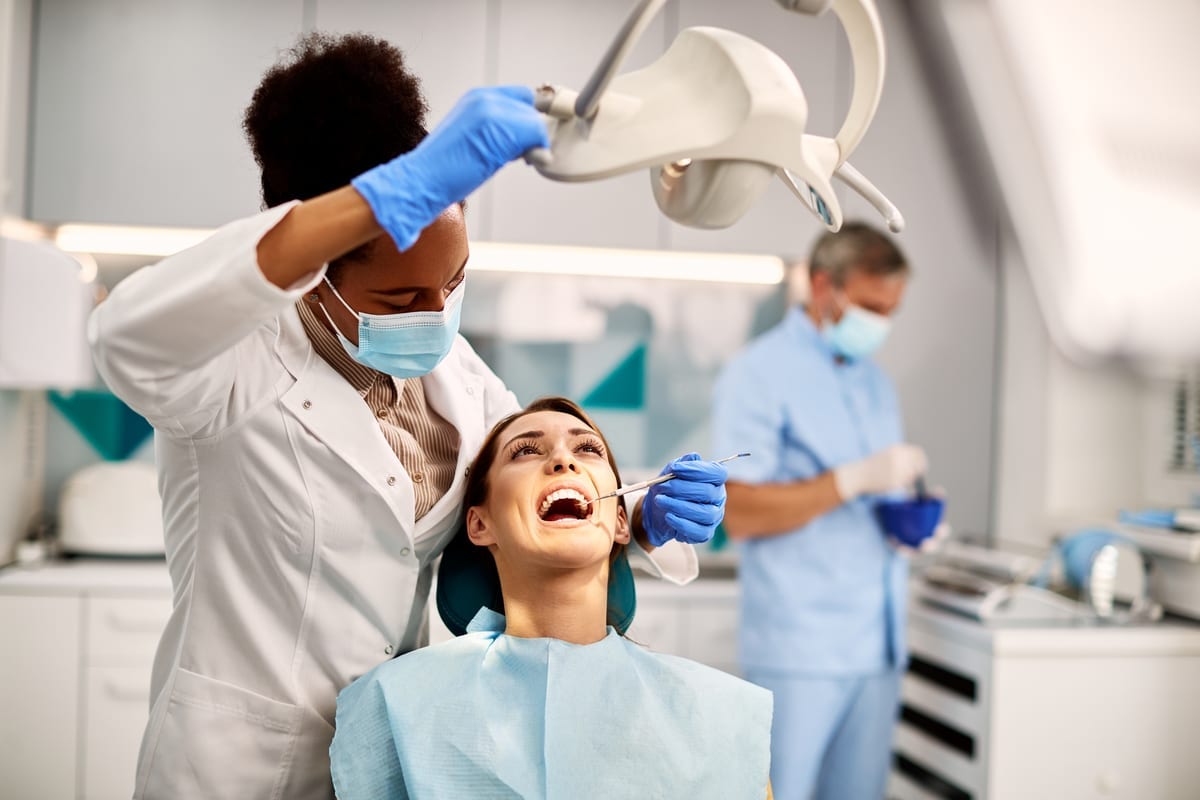
Your appointment begins with a thorough clinical exam. Dr. Wells does not simply glance at your teeth and move on. He carefully evaluates your gums, teeth, jaw alignment, bite, and oral tissues from multiple angles.
The exam checks for early signs of cavities, gum disease, and worn enamel. Catching these problems early saves you from more complex treatment later. Dr. Wells also inspects soft tissues for any unusual changes that could signal concern.
Many patients are surprised by how detailed this step is. It sets the foundation for every other part of your preventive visit. Nothing that follows is effective without this careful clinical baseline.
Dental X-Rays: Why Naperville Patients Need Them Regularly
X-rays reveal what the naked eye simply cannot see. They show decay hiding between teeth, infections developing near tooth roots, and bone loss beneath the gumline. Without X-rays, important problems can go undetected for months or even years.
At Living Well Dental Group, digital X-rays are fast, comfortable, and low-radiation. The images appear instantly on a screen so Dr. Wells can review them with you in real time. You see exactly what he sees — no guesswork involved.
How often you need X-rays depends on your individual risk factors. New patients typically receive a full set. Established patients may need only bitewing X-rays once a year. Dr. Wells tailors the frequency to your specific oral health needs.
- Digital X-rays use significantly less radiation than traditional film
- They detect cavities between teeth before symptoms appear
- They reveal bone density changes linked to gum disease
- They identify impacted teeth or cysts hidden below the surface
- They help Dr. Wells track changes in your oral health over time
Professional Cleaning: The Step That Makes the Biggest Difference
Even the most diligent brusher and flosser cannot remove everything. Tartar — also called calculus — hardens onto teeth and cannot be removed at home. Only a professional cleaning can safely clear it away.
Your dental hygienist uses specialized tools to scale away tartar from above and below the gumline. This process reduces your risk of gum disease significantly. It also leaves your teeth feeling noticeably cleaner and smoother than brushing alone achieves.
After scaling, your teeth are polished with a gritty paste that removes surface stains. Flossing between every tooth follows to clear any loosened debris. The entire cleaning process is methodical, thorough, and completely personalized to your mouth.
- Removes hardened tartar that brushing cannot eliminate
- Reduces bacteria levels that cause gum inflammation
- Polishes enamel surfaces to remove light surface staining
- Clears debris from between teeth and along the gumline
- Gives your hygienist a chance to coach you on technique
Oral Cancer Screening and Fluoride: Two Steps You Should Not Skip
Oral cancer screening is a quick but critically important part of every preventive visit. Dr. Wells checks your tongue, cheeks, throat, lips, and the floor of your mouth for any abnormal tissue. Early detection dramatically improves outcomes for oral cancer patients.
Many patients do not realize this screening happens at their routine appointment. It takes only a few minutes but provides real peace of mind. If anything unusual appears, Dr. Wells discusses next steps with you calmly and clearly.
Fluoride treatment is often the final step — and it is more valuable than many adults realize. A fluoride varnish is applied directly to your teeth after cleaning. It strengthens enamel, remineralizes early decay spots, and reduces sensitivity.
Adults benefit from fluoride just as much as children do. If you have dry mouth, exposed roots, or a history of cavities, fluoride is especially important. It is a simple, fast, and highly effective protective measure.
What Your Preventive Visit Reveals About Your Overall Health
Your mouth is a window into your overall health. Conditions like diabetes, heart disease, and acid reflux often show visible signs in the mouth before other symptoms appear. Dr. Wells is trained to notice these connections during your preventive exam.
Gum disease is linked to systemic inflammation throughout the body. Treating it early is not just good for your smile — it may benefit your cardiovascular health too. Preventive dentistry truly goes beyond your teeth.
Living Well Dental Group also connects patients to other services when their oral health warrants it. For patients interested in smile enhancement, our team offers Cosmetic Dentistry Naperville services that complement excellent preventive care. Families with younger patients will also be pleased to know we provide Pediatric Dentistry Naperville for children of all ages.
Preventive appointments give Dr. Wells a complete picture of your oral and overall wellness. They are not just about cleaning — they are about keeping you healthy for life. Attending consistently every six months is one of the best health decisions you can make.
Your Next Step Toward Better Oral Health in Naperville
Now you know exactly what happens during a preventive dental appointment at Living Well Dental Group. Every step — the exam, X-rays, cleaning, screening, and fluoride — works together to protect your smile. Dr. Keven Wells and his team are here to make each visit comfortable, informative, and genuinely valuable.
Skipping preventive appointments almost always leads to larger problems down the road. Regular visits catch issues early when treatment is simpler and less invasive. Investing time in prevention now saves you time, discomfort, and complexity later.
Do not wait for a problem to arise before scheduling your visit. Your Naperville dental health deserves consistent, proactive attention every year. Book Now to schedule your appointment with our team.
Frequently Asked Questions
How long does a preventive dental appointment typically take?
Most preventive appointments at Living Well Dental Group take between 60 and 90 minutes. This includes the exam, X-rays if needed, a full professional cleaning, oral cancer screening, and fluoride treatment. Patients who have not been seen in a while may need a little extra time for a thorough cleaning.
How often should I schedule a preventive dental appointment in Naperville?
Most patients benefit from visiting every six months. However, Dr. Wells may recommend more frequent visits if you have gum disease, a high cavity risk, or other specific concerns. Your ideal schedule is based on your personal oral health history and current condition.
Does a preventive dental appointment include X-rays every time?
Not necessarily. Dr. Wells determines how often X-rays are needed based on your individual risk factors and dental history. New patients typically receive a full set of X-rays on their first visit. Returning patients may only need bitewing X-rays once a year or as clinically indicated.
Is fluoride treatment only for children?
No — adults benefit significantly from fluoride treatment too. Fluoride strengthens enamel, helps reverse early decay, and reduces tooth sensitivity for patients of all ages. It is especially helpful for adults with dry mouth, exposed roots, or a history of frequent cavities.
What should I do to prepare for my preventive dental appointment?
Brush and floss thoroughly before arriving, as this helps your hygienist focus on areas that need the most attention. Bring a list of any medications you currently take, since some affect oral health. Let Dr. Wells know about any tooth sensitivity, pain, or changes you have noticed since your last visit.