1516 Legacy Cir, Naperville, IL 60563




Will Your Veneers Look Natural or Fake and Bright White?

Many patients in Naperville ask the same question before committing to veneers. Will your veneers look natural or fake and bright white in Naperville? It is one of the most common concerns Dr. Keven Wells hears at Living Well Dental Group. The good news is that modern cosmetic dentistry has come a long way. Today’s veneers can look virtually identical to natural teeth — and this article explains exactly how.
Why Do Some Veneers Look Fake?
You have probably seen the overly white, almost chalky-looking smiles in old before-and-after photos. Those results were common when veneer technology was less advanced. Dentists had fewer shade options and limited control over translucency. The result was often a uniform brightness that looked anything but natural.
Modern ceramic materials and digital shade-matching tools have changed everything. Today, dentists can recreate the subtle color variations found in real teeth. This means veneers can mimic the way light passes through enamel — just like your natural teeth do.
The key difference lies in craftsmanship and communication. When a dentist takes time to understand your goals and match your natural coloring, the results are seamless. Rushed work or poor communication between the dentist and the dental lab often leads to that dreaded fake appearance.
How Shade Matching Creates a Natural-Looking Smile in Naperville
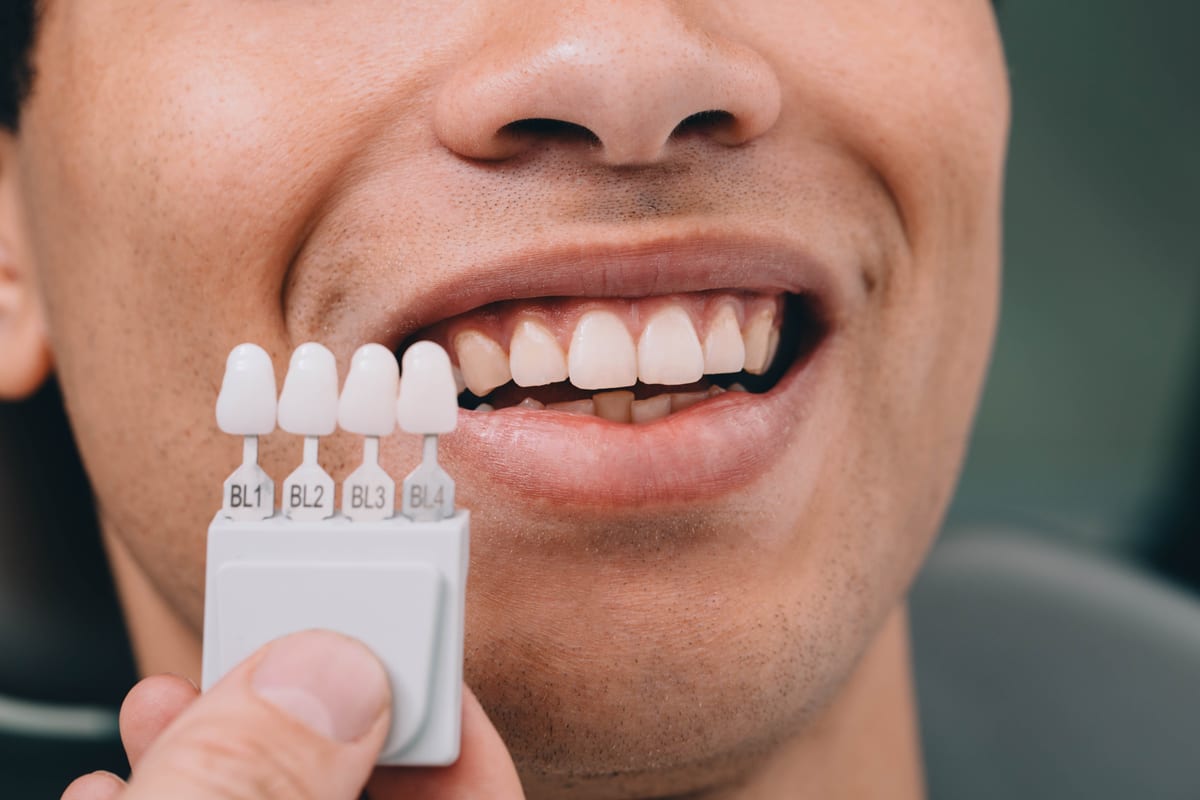
Shade matching is one of the most important steps in the veneer process. At Living Well Dental Group, Dr. Keven Wells uses a detailed shade guide to compare your existing teeth. The goal is never to make every tooth the same flat white. Instead, the aim is to find a tone that enhances your smile without looking artificial.
Natural teeth are not one uniform color. They are slightly darker near the gum line and lighter toward the tips. A skilled dentist accounts for these gradients during the design phase. This careful approach ensures your veneers blend in rather than stand out.
Lighting also plays a role in shade selection. Dr. Wells evaluates your teeth under different lighting conditions — not just in the dental chair. This ensures your veneers look great both indoors and in natural sunlight.
- Shade guides compare dozens of tooth color options
- Color gradients are mapped from gum line to incisal edge
- Multiple lighting conditions are used during evaluation
- Digital photos help the dental lab match your unique coloring
- Patient preferences are discussed and balanced with natural aesthetics
The Role of Translucency in Realistic Veneers
Translucency is what makes a tooth look alive. Natural enamel allows some light to pass through it. This gives teeth a subtle glow that completely opaque materials cannot replicate. Early veneers lacked this quality, which is why they looked so flat and artificial.
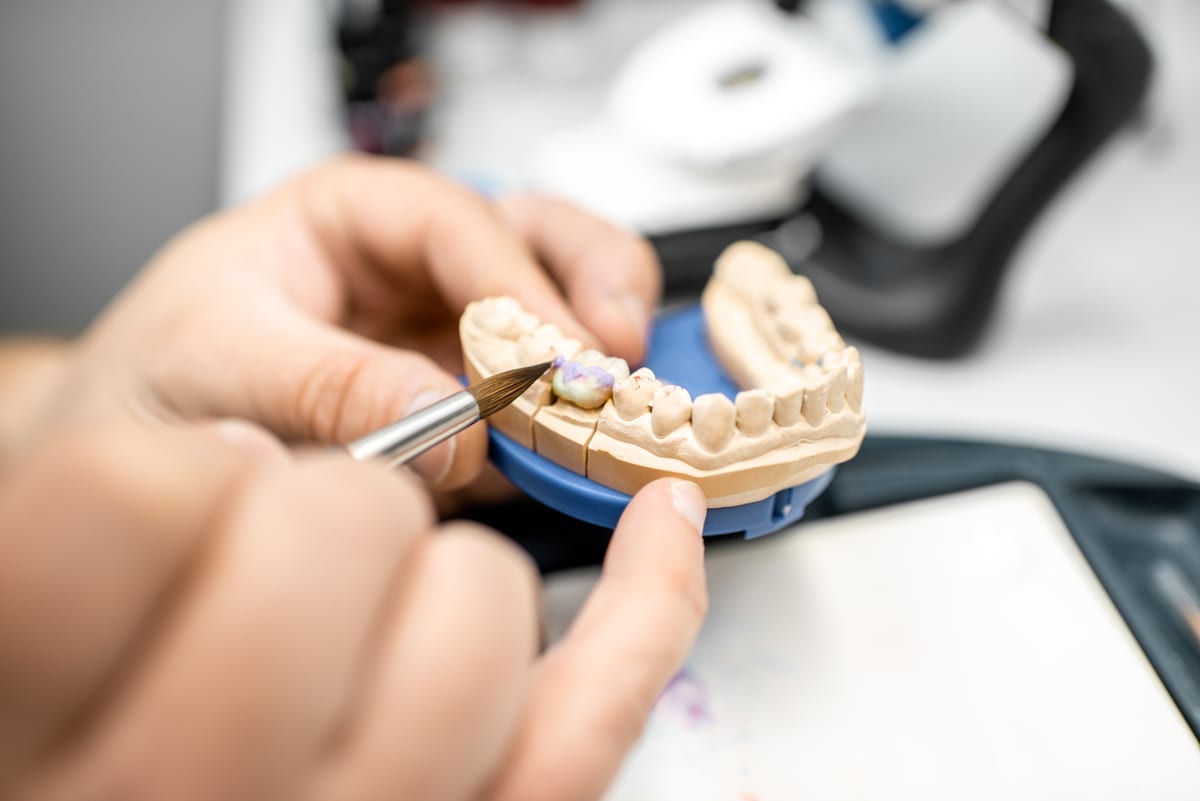
Modern porcelain veneers are engineered to mimic this translucency. Dental ceramicists layer the material to create depth and dimension. The result is a veneer that catches light the same way a natural tooth does.
The thickness of the veneer also matters. Ultra-thin veneers allow more of the natural tooth structure to show through. This contributes to a more lifelike result. Dr. Wells works closely with the dental lab to ensure each veneer has the right level of translucency for your specific tooth color and shape.
Communicating Your Goals Before Treatment Begins
One of the best ways to avoid fake-looking veneers is open communication before treatment starts. Dr. Keven Wells takes time to discuss your aesthetic goals in detail. He wants to understand whether you prefer a subtle enhancement or a more noticeable transformation.
Many patients bring in reference photos during their consultation. This helps the dental team understand the exact look you are hoping to achieve. It also ensures that your expectations are realistic and achievable with your natural tooth structure.
Digital smile design technology allows you to preview your results before any work begins. You can see a simulation of your new smile and request adjustments. This collaborative process puts you in control of the final outcome.
- Share photos of smiles you admire during your consultation
- Ask to see before-and-after examples from the practice
- Review digital smile simulations before committing to treatment
- Discuss your concerns about brightness, shape, and size openly
- Ask how the dental lab will be briefed on your preferences
Other Cosmetic Options That Complement Veneers
Veneers are not the only way to improve your smile. At Living Well Dental Group, Dr. Wells offers a full range of cosmetic services. Understanding your options helps you make the most informed decision for your smile goals.
If you are interested in straighter teeth alongside a cosmetic refresh, you may want to explore your alignment options first. Invisalign Faqs Naperville can answer common questions about clear aligner treatment before you commit to veneers.
Maintaining excellent oral health is also critical for long-lasting veneer results. Preventive Dentistry Naperville services help protect your investment and keep your underlying teeth healthy. Veneers bond best to strong, healthy tooth structure.
Teeth whitening is another option worth discussing before getting veneers. If your natural teeth need brightening first, whitening can help establish your ideal shade. Your veneers are then designed to match that brighter baseline for a cohesive result.
What to Expect During Your Veneer Consultation at Living Well Dental Group
Your veneer journey at Living Well Dental Group begins with a thorough consultation. Dr. Wells will examine your teeth, gums, and bite. He will also discuss your cosmetic goals and any concerns you have about the final appearance.
From there, the team maps out a customized treatment plan. This plan includes the number of veneers needed, the shade selection process, and a timeline for completion. You will never feel rushed or pressured during this process.
Once you approve the design, your teeth are gently prepared. Impressions or digital scans are sent to the dental lab. The lab crafts your veneers to the exact specifications agreed upon during your consultation.
At your final appointment, Dr. Wells checks the fit, color, and translucency before bonding. If any adjustments are needed, they are made before the veneers are permanently placed. Your satisfaction is the priority at every step.
If you have been wondering whether your veneers will look natural or fake and bright white in Naperville, the answer depends on your dentist’s skill and the process they follow. At Living Well Dental Group, every detail is handled with precision and care. Book Now to schedule your appointment with our team.
Frequently Asked Questions
Will my veneers look fake or too white?
Modern veneers are designed to look natural. Dr. Keven Wells uses advanced shade matching and translucency techniques to ensure your veneers blend seamlessly with your surrounding teeth. The goal is always a result that looks like it belongs in your smile.
How many shades of white are available for veneers?
There are dozens of shade options available. Shade guides used by dentists offer a wide range of tones, from very light to more natural off-white options. Dr. Wells helps you select a shade that enhances your smile without looking artificial or overly bright.
Can I choose how white my veneers will be?
Yes, you have significant input in the shade selection process. Dr. Wells discusses your preferences during the consultation. He will also provide professional guidance to ensure the final shade looks natural in the context of your overall appearance and skin tone.
How long do porcelain veneers last?
With proper care, porcelain veneers can last 10 to 15 years or longer. Regular dental check-ups, good oral hygiene, and avoiding habits like nail-biting or chewing hard objects will help extend the life of your veneers significantly.
Is the veneer process painful?
Most patients experience little to no discomfort during the veneer process. A local anesthetic is used during tooth preparation to keep you comfortable. Some mild sensitivity after placement is normal and typically resolves within a few days.