1516 Legacy Cir, Naperville, IL 60563




Dental Implants Naperville

Dental Implants Naperville: What You Need to Know
If you are missing one or more teeth, you are not alone. Millions of Americans deal with tooth loss every year. Dental Implants Naperville patients are increasingly choosing implants as a long-term solution. At Living Well Dental Group, Dr. Keven Wells helps patients understand their options clearly and confidently.
What Are Dental Implants?
A dental implant is a small titanium post. It is placed directly into your jawbone to replace a missing tooth root. Over time, the bone fuses around it in a process called osseointegration. This creates a stable, permanent foundation for a replacement tooth.
Once the implant has integrated, a custom crown is placed on top. The result looks and functions like a natural tooth. Most patients find it hard to tell the difference. Implants restore both appearance and function beautifully.
Unlike dentures, implants do not slip or require adhesives. They feel secure during eating, speaking, and smiling. They also help preserve the jawbone, which can shrink after tooth loss. This makes them one of the most complete tooth replacement options available.
Who Is a Good Candidate for Dental Implants Naperville?
Not everyone is immediately ready for dental implants. A good candidate generally meets certain health criteria. Dr. Wells evaluates each patient individually to determine the best path forward. A thorough consultation and imaging are always the first steps.
Ideal candidates typically include people who:
- Have one or more missing teeth
- Have adequate jawbone density to support an implant
- Have healthy gums free of active periodontal disease
- Are in generally good overall health
- Do not smoke, or are willing to quit before treatment
Some patients may need bone grafting before implant placement. This builds up areas where bone loss has occurred. It adds time to the process but makes implants possible for more people. Dr. Wells will explain every option clearly during your visit.
If gum disease is a concern, it must be addressed first. You can read more about periodontal scaling and root planing to understand how we treat gum disease before restorative work. Healthy gums are the foundation of a successful implant outcome.
The Dental Implant Process: Step by Step
Understanding the process helps reduce any anxiety about treatment. Dental implants are placed in multiple stages over several months. Each stage is important and carefully managed. Here is what most patients can expect:
- Consultation and Imaging: Dr. Wells reviews your dental and medical history. X-rays and 3D imaging help evaluate bone quality and placement sites.
- Implant Placement: The titanium post is surgically placed into the jawbone. Local anesthesia keeps you comfortable throughout the procedure.
- Healing Period: The implant fuses with the bone over three to six months. This is the osseointegration phase.
- Abutment Placement: A small connector piece is attached to the implant. This holds the final crown in place.
- Crown Placement: A custom-made crown is secured to the abutment. It is matched to the color and shape of your natural teeth.
Most patients experience mild soreness after each surgical stage. Over-the-counter pain relief is usually sufficient. Dr. Wells provides clear aftercare instructions at every step. Recovery is generally straightforward for healthy patients.
The total timeline varies per person. Some patients complete treatment in six months. Others with bone grafting may take closer to a year. Your individualized plan will be explained clearly from the start.
Benefits of Choosing Dental Implants in Naperville
Dental implants offer significant advantages over other tooth replacement options. They are designed to be a permanent, life-long solution. With proper care, they can last decades. Many patients consider them the best investment in their oral health.
Here are some of the top benefits patients experience:
- Natural look and feel that blends with surrounding teeth
- Improved ability to eat a wide variety of foods
- Prevention of jawbone loss that occurs after tooth removal
- No impact on adjacent healthy teeth, unlike dental bridges
- Easy maintenance with regular brushing and flossing
- Increased self-confidence when smiling and speaking
Implants also support long-term oral health in meaningful ways. When a tooth is lost, the surrounding bone begins to deteriorate. Implants stimulate the bone just like natural tooth roots do. This preserves your facial structure and prevents a sunken appearance.
Patients who have implants often report improved quality of life. Eating, laughing, and social interactions feel natural again. That sense of normalcy is something dentures often cannot fully provide. Implants truly restore more than just a missing tooth.
Caring for Your Dental Implants
One of the best things about implants is how easy they are to maintain. You care for them just like natural teeth. Brush twice daily and floss once a day. Regular dental visits are also essential to long-term success.
Dr. Wells recommends routine checkups every six months. Professional cleanings help prevent plaque buildup around the implant. Early detection of any issues keeps small problems from becoming larger ones. Consistent preventive dentistry care supports the health of your entire mouth, including your implants.
Avoid habits that can stress your implants unnecessarily. Chewing on ice or hard objects can damage the crown. If you grind your teeth at night, a night guard may be recommended. Protecting your implant protects your investment.
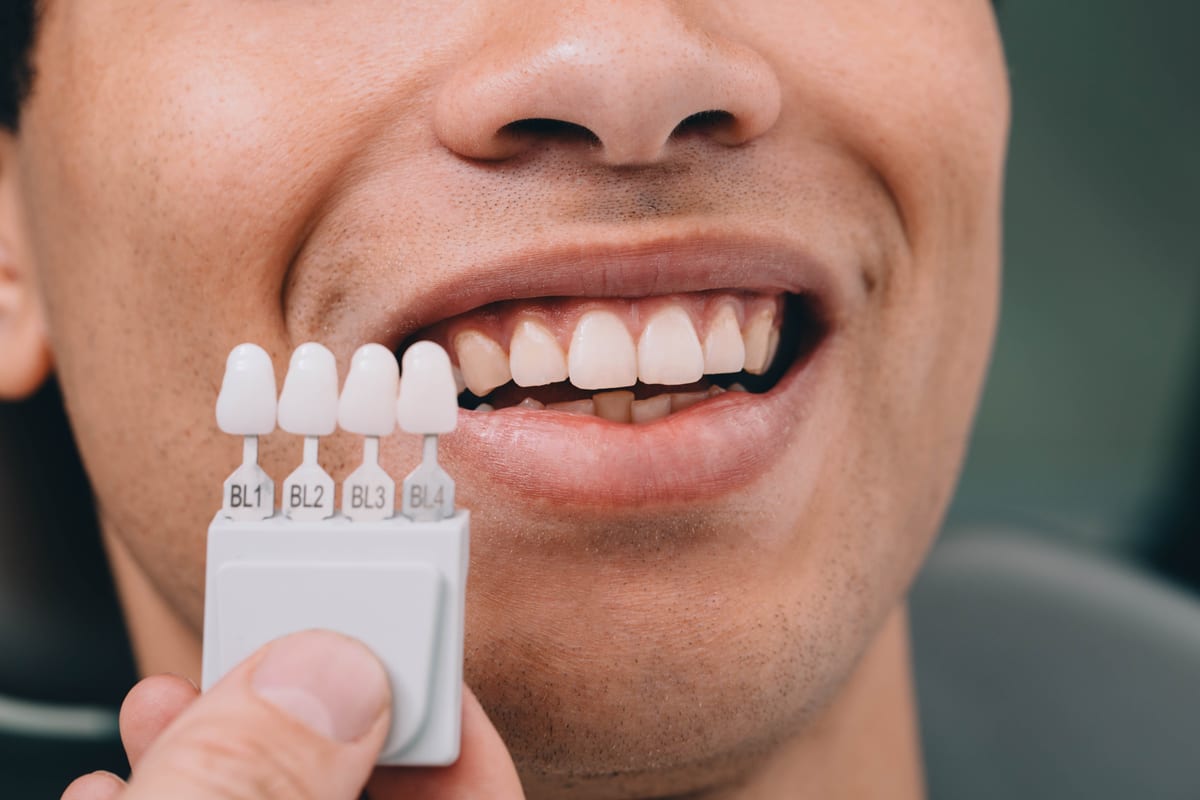
Some patients also ask about enhancing the appearance of their surrounding teeth. Options like professional teeth whitening can help your natural teeth match the brightness of your new crown. A complete smile often begins with one great decision.
Why Choose Living Well Dental Group for Dental Implants?
Dr. Keven Wells brings both expertise and genuine care to every implant case. He takes time to explain your options in plain language. No question is too small or too technical. Patients leave consultations feeling informed and confident.
Living Well Dental Group serves the Naperville community with a full range of dental services. From implants to cosmetic treatments, our team is here for you at every stage of your dental health journey. We believe great dental care should feel approachable and stress-free.
We understand that choosing implants is a big decision. Our goal is to give you the information you need to make the right choice for your life. Schedule a consultation and see what Dental Implants Naperville patients are experiencing at our practice.
Restoring your smile changes more than your teeth — it can change your life. Book Now to schedule your appointment with our team.
Frequently Asked Questions
How long do dental implants last?
With proper care and regular dental visits, dental implants can last 20 years or more. Many patients keep their implants for a lifetime. The crown on top may need replacement after 10 to 15 years due to normal wear.
Are dental implants painful to get?
Most patients report that the procedure is more comfortable than expected. Local anesthesia is used during placement so you feel little during the surgery. Mild soreness afterward is common and typically managed with over-the-counter pain medication.
How many teeth can be replaced with implants?
Implants can replace a single tooth, multiple teeth, or even a full arch. Single implants work well for individual missing teeth. Implant-supported bridges or full-arch restorations can replace many teeth using fewer implant posts.
Can dental implants fail?
Implant failure is uncommon but can occur. Risk factors include smoking, uncontrolled diabetes, poor oral hygiene, and insufficient bone density. Dr. Wells carefully evaluates all candidates beforehand to maximize the chance of long-term success.
How do I get started with dental implants in Naperville?
The first step is scheduling a consultation at Living Well Dental Group. Dr. Wells will review your oral health, take imaging, and discuss your goals. From there, a personalized treatment plan is created just for you.