1516 Legacy Cir, Naperville, IL 60563




How Long Do Cosmetic Dental Treatments Last?

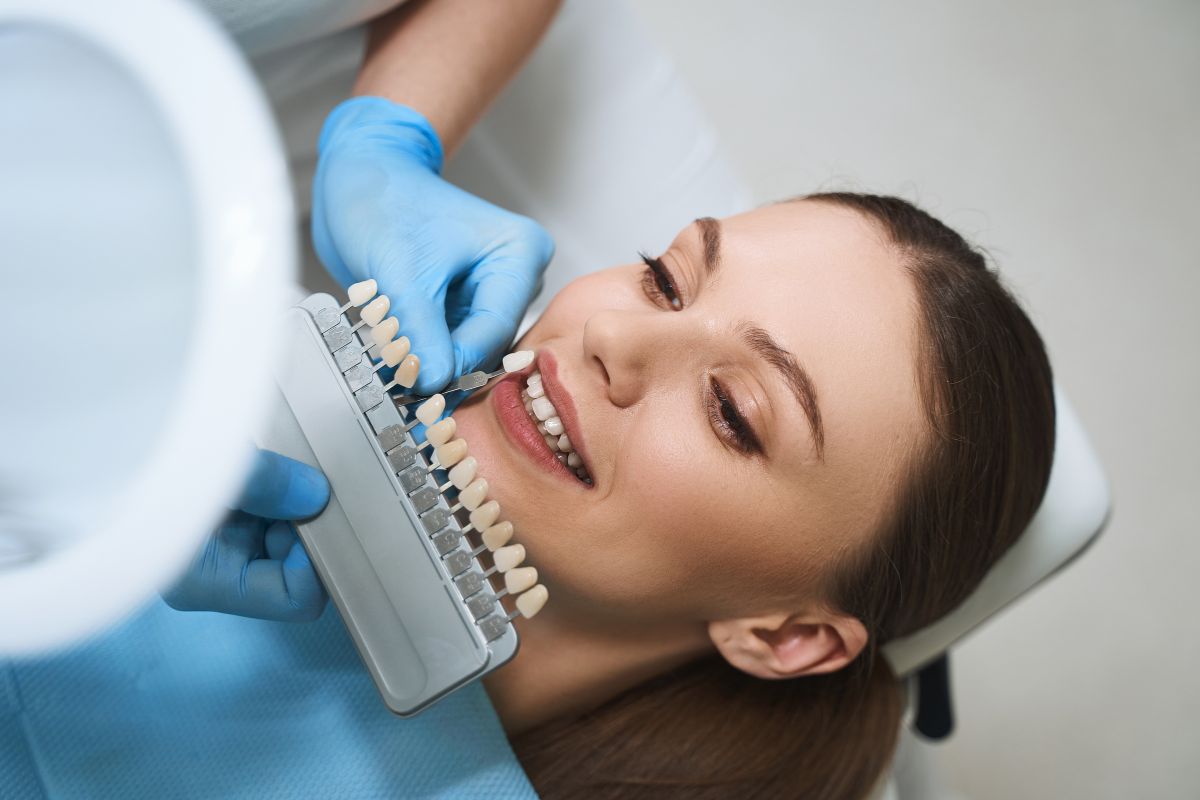
Have you ever wondered how long your new smile will last after a cosmetic dental treatment? Whether it’s veneers, implants, or teeth whitening, cosmetic dental treatments can dramatically improve your appearance.
But how long can you expect those results to last? The longevity of cosmetic dental treatments is a crucial factor to consider when choosing your treatment. Knowing how long each procedure lasts can help you plan, avoid unnecessary repairs, and get the most out of your investment.
Cosmetic dentistry is popular for its ability to boost confidence and enhance smiles. However, the lifespan of these treatments varies greatly depending on the type of procedure and several other factors. Understanding how long cosmetic treatments last and how to care for them can ensure lasting results and help you maintain that beautiful smile for years to come.
Types of Cosmetic Dental Treatments
Dental Veneers
Dental veneers are thin shells made of porcelain or resin composite material that are bonded to the front surface of teeth. They are an excellent option for improving the appearance of teeth that are chipped, discolored, or misaligned. Typically, porcelain veneers last between 10 and 15 years, while composite resin veneers may last 5 to 7 years.
Several factors affect their longevity:
- Material Quality: Porcelain veneers tend to last longer than composite veneers.
- Oral Care: Regular brushing, flossing, and visits to your cosmetic dentist in Naperville can prolong the lifespan of cosmetic dental procedures.
- Lifestyle Choices: Habits like teeth grinding or chewing on hard objects can damage veneers and reduce their longevity.
Teeth Whitening
Teeth whitening treatments, whether done professionally or at home, can provide instant results, but they don’t last forever. On average, professional whitening treatments last about 1 to 3 years, depending on lifestyle factors such as smoking, coffee consumption, and overall oral hygiene.
The longevity of whitening treatments can be impacted by:
- Diet and Habits: Avoiding foods and drinks that stain teeth can help extend whitening results.
- Touch-up Treatments: Regular touch-ups from your cosmetic dentist can keep your smile bright for longer.
Dental Implants
Dental implants are a popular solution for replacing missing teeth. Unlike other cosmetic treatments, implants are designed to last a lifetime with proper care. They are made of durable titanium, which fuses with the jawbone to create a strong, permanent foundation for the replacement tooth.
Key factors that influence the longevity of implants:
- Oral Hygiene: Keeping your gums healthy and cleaning around the implant regularly is essential.
- Follow-up Visits: Regular checkups with your cosmetic dentist ensure that your implants are properly maintained.
Bonding and Contouring
Dental bonding involves applying a tooth-colored resin to correct imperfections like chips, gaps, and discoloration. Bonding typically lasts between 3 and 10 years, depending on how well the material is maintained.
The longevity of dental bonding can be impacted by:
- Diet: Avoiding acidic or sticky foods can prevent the bonding material from wearing out.
- Habits: Avoiding habits like nail-biting or chewing on hard objects can preserve bonding.
Crowns and Bridges
Crowns and bridges are used to restore damaged or missing teeth. Depending on the material, crowns can last between 10 and 30 years. Porcelain crowns are the most popular due to their durability and natural look.
Factors that influence crown and bridge longevity:
- Material: Porcelain and ceramic crowns tend to last longer than metal crowns.
- Oral Care: Regular dental checkups help spot wear or damage early, extending the life of your restoration.
Factors Affecting the Lifespan of Cosmetic Treatments
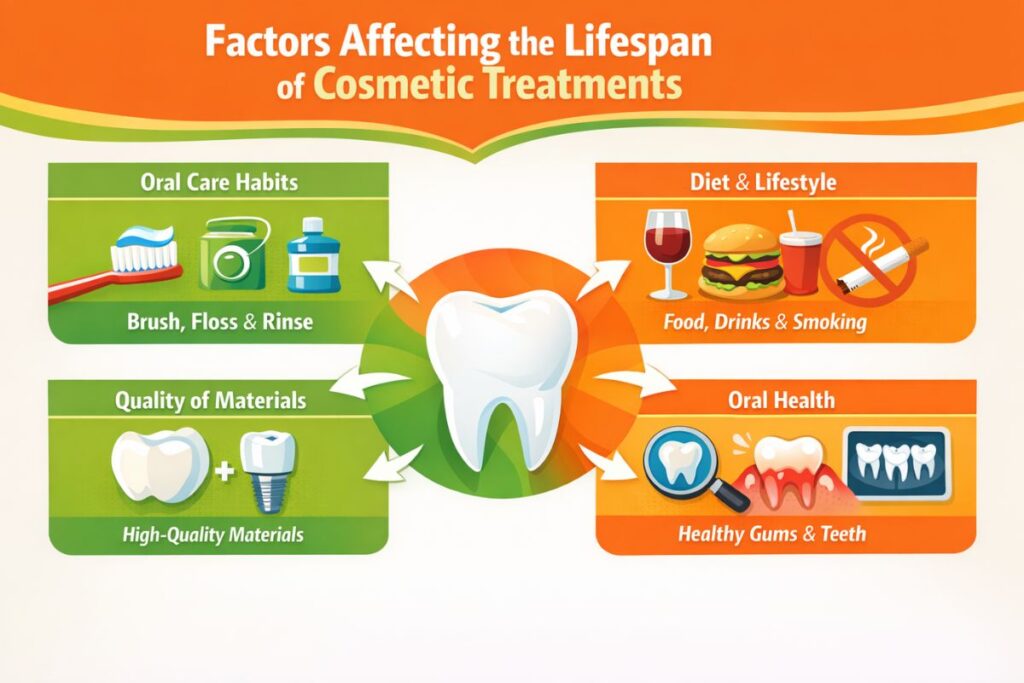
Oral Care Habits
Good oral hygiene is crucial to the longevity of any cosmetic dental treatment. Brushing your teeth at least twice a day using fluoride toothpaste helps prevent plaque buildup, which can damage your veneers, crowns, or implants. Flossing daily is equally important, as it removes food particles and plaque from between your teeth and along the gumline, preventing decay and gum disease that could compromise your cosmetic work.
Additionally, using mouthwash can reduce bacteria in your mouth, keeping your gums healthy and preventing any potential infections that could affect your treatments.
Regular dental checkups are essential for maintaining the health of both your natural teeth and any cosmetic work. Your dentist can monitor the condition of your veneers, crowns, and implants, catching any issues early and ensuring your treatments last longer.
Diet and Lifestyle Choices
What you eat and drink has a direct impact on the lifespan of your cosmetic dental treatments. Acidic foods, such as citrus fruits, sodas, and wine, can erode enamel and cause discoloration, especially in teeth whitening results. This acid wear can also damage bonding materials or veneers over time. To protect your cosmetic treatments, it’s wise to limit the intake of acidic foods and beverages.
Smoking is another lifestyle factor that can shorten the lifespan of your cosmetic dental work. Tobacco products stain teeth, and the chemicals in cigarettes can weaken bonding materials and damage gums, making cosmetic procedures like veneers or bonding wear out more quickly.
If you’re looking to keep your smile looking fresh, cutting out smoking can significantly extend the life of your treatments.
Quality of Treatment Materials
The materials used in your cosmetic treatments play a significant role in how long they last. High-quality materials such as porcelain veneers or titanium dental implants are designed to withstand daily wear and tear for many years. On the other hand, lower-quality materials, such as composite bonding or resin-based fillings, may not last as long and could be more prone to chipping, discoloration, or wear.
Choosing a trusted cosmetic dentist who uses high-grade materials can ensure that your treatments provide long-lasting, natural-looking results. Additionally, advancements in dental technology have introduced more durable and aesthetically pleasing materials that can help prolong the life of your cosmetic treatments.
Patient’s Oral Health
Your overall oral health can significantly affect the longevity of cosmetic treatments. If you have underlying dental problems, such as gum disease or untreated cavities, these issues can compromise the success of your cosmetic procedures. For example, untreated gum disease can cause gums to recede, affecting the stability of implants or crowns. Additionally, pre-existing teeth alignment issues may lead to stress on veneers or bonding, causing them to wear out faster.
Before undergoing cosmetic treatments, it’s important to ensure your oral health is in top condition. A comprehensive dental exam can identify any existing issues that may affect the success of your cosmetic work and allow your dentist to address them before proceeding with treatment.
Maintaining good oral health will not only help extend the lifespan of your cosmetic treatments but also ensure that your smile stays healthy and beautiful for years to come.
How to Maintain Cosmetic Dental Results
Good Oral Hygiene Practices
To keep your cosmetic dental treatments looking their best, it’s important to maintain excellent oral hygiene. Here are a few tips:
- Brush your teeth twice daily with a soft-bristled toothbrush.
- Floss daily to remove plaque between teeth and along the gumline.
- Use a fluoride mouthwash to fight cavities and keep your gums healthy.
Regular Dental Check-ups
Regular visits to your cosmetic dentist are key to maintaining your cosmetic work. During these visits, your dentist can monitor the condition of your veneers, crowns, and implants and recommend any necessary adjustments or touch-ups.
Diet and Lifestyle Adjustments
To preserve your cosmetic work, avoid foods and drinks that can stain or damage your teeth. This includes coffee, tea, red wine, and acidic foods. If you grind your teeth at night, consider getting a custom night guard to protect your dental work.
What to Do if Your Treatment Shows Wear
Signs of Wear or Damage
Even with the best care, your cosmetic dental treatments may show signs of wear over time. Watch for:
- Discoloration: Whitening results fading or veneers losing their shine.
- Chipping or Cracking: Damage to veneers, bonding, or crowns from chewing on hard foods or grinding.
- Loosening: Implants or crowns that feel loose or uncomfortable.
Consulting Your Dentist
If you notice any issues, don’t wait for them to worsen. Contact your cosmetic dentist in Naperville at Living Well Dental Group to schedule a consultation. Early intervention can prevent further damage and restore your smile.
Repair vs. Replacement
If your cosmetic treatment shows significant wear, your dentist may recommend either a repair or replacement. For example, if a veneer chips, it may be repaired, but if it’s severely damaged, it might need to be replaced.
Cosmetic dental treatments can provide stunning results, but their longevity depends on several factors, including the type of treatment, oral care habits, and lifestyle choices. Treatments like dental implants can last a lifetime with proper care, while others, like teeth whitening, require periodic touch-ups. To get the most out of your investment, it’s important to follow your cosmetic dentist’s advice on maintaining and caring for your smile.
Are you ready to enhance your smile and ensure lasting results? Schedule a consultation with Living Well Dental Group today and explore your cosmetic dental options!
Frequently Asked Questions
1. How can I extend the lifespan of my cosmetic treatments?
Good oral hygiene, regular checkups, and avoiding damaging habits like smoking or eating acidic foods can prolong treatment longevity.
2. Can smoking affect the lifespan of veneers or implants?
Yes, smoking can cause staining and damage to cosmetic treatments, shortening their lifespan.
3. Does the material of the treatment affect its durability?
Yes, higher-quality materials like porcelain veneers and titanium implants last longer than lower-quality options.
4. Will my cosmetic dental treatments need repair over time?
Occasionally, repairs may be needed due to wear or damage, but with good care, they can last many years.
5. How often should I visit my cosmetic dentist for checkups?
Regular checkups every 6 months are recommended to ensure the longevity and health of your cosmetic dental treatments.