1516 Legacy Cir, Naperville, IL 60563



The Surprising Reason to Skip Dairy After Dental Implants

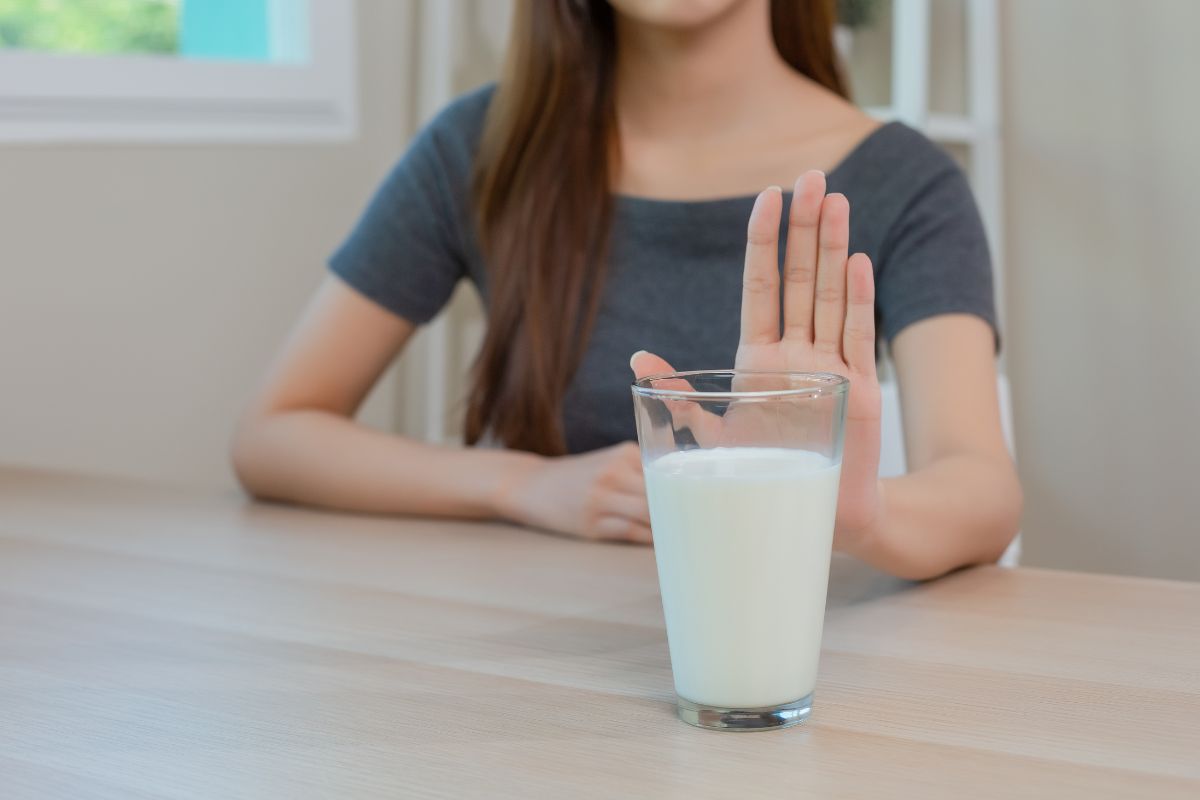
You finally did it – you got dental implants, and now you’re wondering what to eat during recovery. Most people expect to hear things like “avoid crunchy foods” or “stay away from hard candies.” But dairy? That one catches almost everyone off guard.
Here’s the thing: dairy isn’t inherently harmful to implants. In fact, calcium is great for bone health. But in the first 24 to 48 hours after implant surgery, certain dairy products can quietly work against your healing. Understanding why and what to eat instead can make a real difference in how smoothly your recovery goes.
What Happens to Your Mouth Right After Implant Surgery?
Once your implant is placed, your body immediately shifts into repair mode. The surgical site forms a blood clot, which acts as a natural barrier and the foundation for new tissue growth. This clot is delicate, and almost anything that disrupts it can slow healing or even cause a painful condition called dry socket.
During this early window after dental implant treatment in Naperville, your dentist’s post-op instructions aren’t just suggestions – they’re rooted in how healing tissue actually works. That’s where dairy quietly enters the picture.
Why Dairy Gets a Red Flag After Oral Surgery
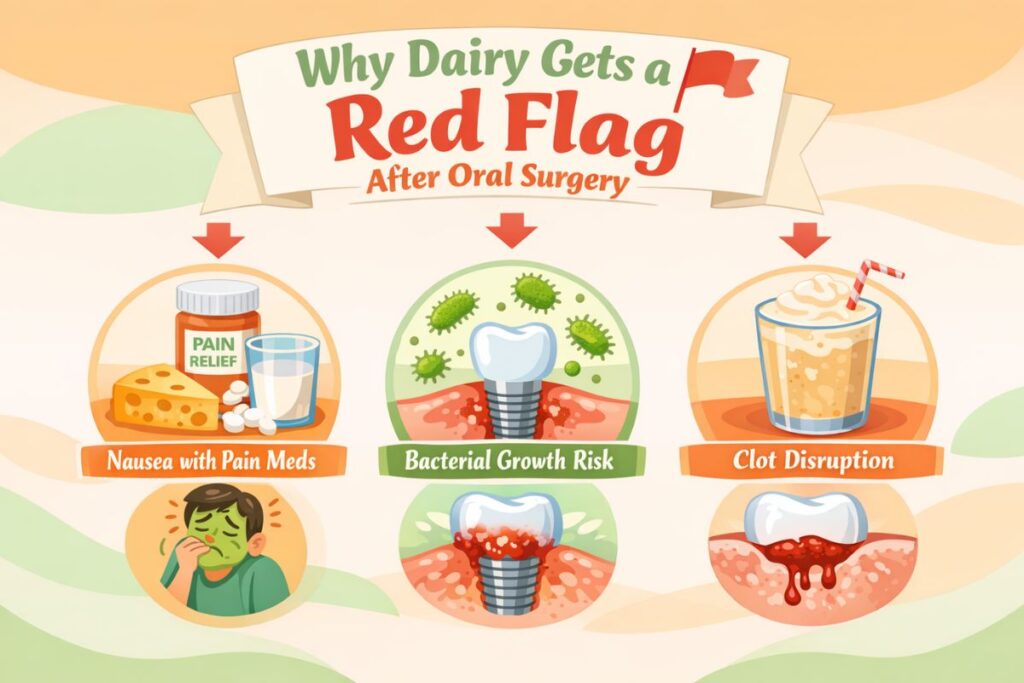
Dairy itself isn’t the enemy. The concern isn’t calcium or fat or protein; it’s the way dairy interacts with your body’s post-surgical state. Here’s what’s actually going on:
1. Dairy Can Trigger Nausea When Combined with Pain Medications
Most patients are prescribed some form of pain relief after implant placement – often NSAIDs or prescription-strength options. Consuming dairy, especially whole milk or rich cheeses, alongside these medications can increase the likelihood of nausea and stomach discomfort. If nausea leads to vomiting, the pressure this creates in your mouth can disturb the surgical site and compromise your implant’s initial stability.
2. It May Promote Bacterial Growth in a Healing Wound
Dairy products like milk, yogurt, and soft cheeses leave residue in the mouth. Under normal circumstances, your saliva and oral bacteria handle this without issue. But after surgery, your mouth has an open wound. Bacteria thrive on the lactose and proteins in dairy, and if that residue lingers near the implant site, it raises the risk of infection. Oral infections are one of the leading causes of implant failure, according to research published in the Journal of Clinical Periodontology.
3. Thick Dairy Products Can Interfere with Clot Formation
Thick, creamy foods like milkshakes or smoothies made with whole milk may require a degree of suction to consume (example: drinking through a straw). That suction can dislodge the blood clot forming at the implant site. Even without a straw, very thick dairy can create enough oral pressure to be problematic in the first day or two. It’s a subtle risk, but one that’s entirely preventable.
How Long Should You Wait Before Eating Dairy Again?
Most oral surgeons and implant specialists recommend avoiding dairy for the first 24 to 48 hours after surgery. After that initial period, many dairy products are perfectly fine and beneficial. Yogurt with live cultures, for instance, has been shown to support gut health during antibiotic use, which is common after implant procedures. Just make sure it’s smooth, unsweetened, and at room temperature, not ice-cold.
That said, your recovery is individual. The best approach is to follow the specific guidance your implant provider gives you at your post-op appointment, since every patient’s situation is different.
What You Should Eat During Implant Recovery
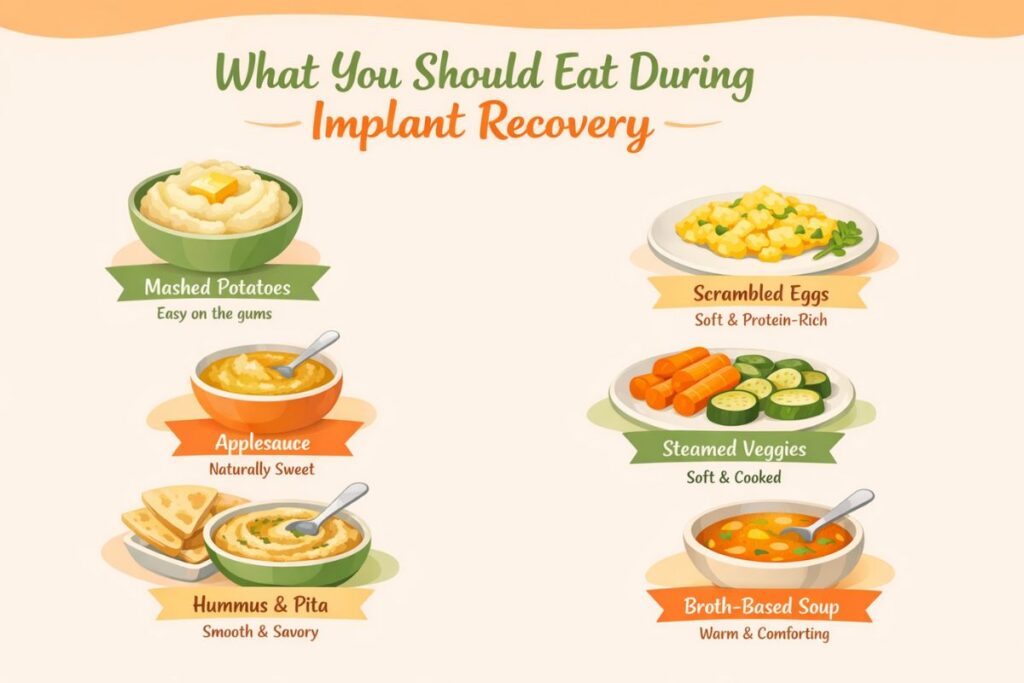
The first few days after getting implants, you want to prioritize soft, mild, nutrient-dense foods that won’t put pressure on the surgical site or introduce unnecessary bacteria. Some solid options include:
- Mashed potatoes (not too hot): easy to eat, filling, and gentle on the gums
- Scrambled eggs: soft, high in protein, and simple to prepare
- Applesauce: no chewing needed, naturally sweet
- Soft-cooked vegetables like steamed carrots or zucchini
- Hummus with soft pita or eaten directly with a spoon
- Broth-based soups, just make sure they’re warm, not hot
Staying hydrated is equally important. Drink plenty of water throughout the day, and avoid carbonated, alcoholic, or acidic drinks, such as citrus juices, especially in the first 48 hours.
Foods and Habits That Can Threaten Your Implant Success
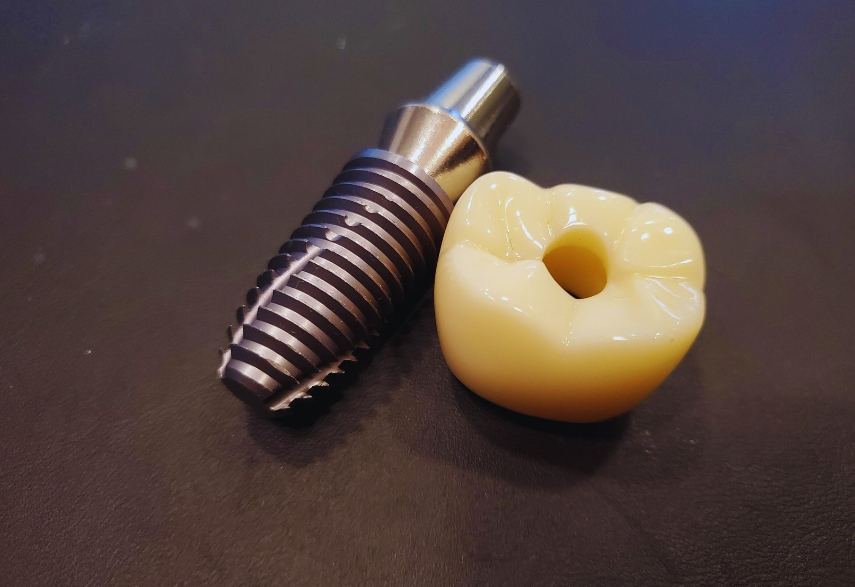
Beyond dairy, there are several other things that can interfere with proper osseointegration — the biological process by which your implant fuses with the jawbone. This process takes several months, and during that time, your choices matter.
- Smoking: Tobacco use is one of the strongest predictors of implant failure. It restricts blood flow to healing tissue, slowing recovery.
- Alcohol: Alcohol thins the blood, interacts poorly with post-op medications, and dries out oral tissue.
- Crunchy or hard foods: Chips, nuts, and crusty bread can put direct pressure on the implant site before it’s ready.
- Using a straw: The suction created can loosen or dislodge a blood clot, delaying healing and increasing the risk of dry socket.
These aren’t just precautions for the first few days. Smoking significantly affects long-term implant success rates. The American Academy of Implant Dentistry notes that implants have a success rate of over 95%, and many failures stem from lifestyle habits that are entirely preventable.
When Dairy Actually Helps Your Implant Heal
Once the initial healing phase passes, dairy can work in your favor. Calcium and vitamin D are essential for maintaining bone density, which supports your implant in place. Adults need around 1,000 mg of calcium per day according to the National Institutes of Health, and dairy is one of the most efficient ways to meet that goal through diet.
After the first 48 hours, soft dairy options like plain yogurt or mild cheese can be a helpful addition to your recovery diet. Just avoid anything too cold (ice cream straight from the freezer), too sweet, or chunky until your mouth has had more time to heal.
Recovery after implant surgery is about the small decisions you make, such as what you eat, what you avoid, and how closely you follow your dentist’s guidance. Skipping dairy for a couple of days might seem like a minor thing, but it’s these kinds of thoughtful choices that separate a smooth recovery from a complicated one.
At Living Well Dental Group, we walk every patient through post-op care in detail, so nothing is left to guesswork. Whether you’re exploring implants for the first time or ready to schedule your procedure, our team is here to guide you through every step with clarity and care.
Book your consultation today at Living Well Dental Group.
People Also Ask
1. Can I drink coffee after getting a dental implant?
It’s best to avoid coffee for the first 24 hours. Hot beverages can increase blood flow to the surgical site and promote bleeding. After that window, warm (not hot) coffee is generally fine, but skip the cream and sugar until healing is further along.
2. Is it safe to eat ice cream after dental implant surgery?
Many providers suggest ice cream as a soft-food option, but there’s nuance to it. Very cold temperatures can cause sensitivity and minor discomfort near the implant site. If you do eat ice cream, let it soften slightly first and avoid flavors with hard mix-ins like nuts or candy pieces.
3. How long does osseointegration take?
Osseointegration, the process in which the implant fuses with the jawbone, takes three to six months. During this time, the implant gradually becomes anchored in the bone, which is what gives it the strength and stability to function like a natural tooth root.
4. What are the signs that an implant is failing?
Signs can include persistent pain or discomfort beyond the first few days, swelling that doesn’t improve, a loose or shifting implant, and difficulty chewing once healing is complete. If you notice any of these, contact your dental provider promptly. Early intervention often makes a significant difference.
5. Can I brush my teeth after implant surgery?
Yes, but carefully. You can brush your other teeth gently the night of surgery, but avoid the surgical site directly for the first couple of days. Your provider will typically recommend a chlorhexidine rinse or a gentle saltwater rinse to keep the area clean without disturbing the clot.