1516 Legacy Cir, Naperville, IL 60563




Dental Fluorosis: Symptoms, Causes and Treatments

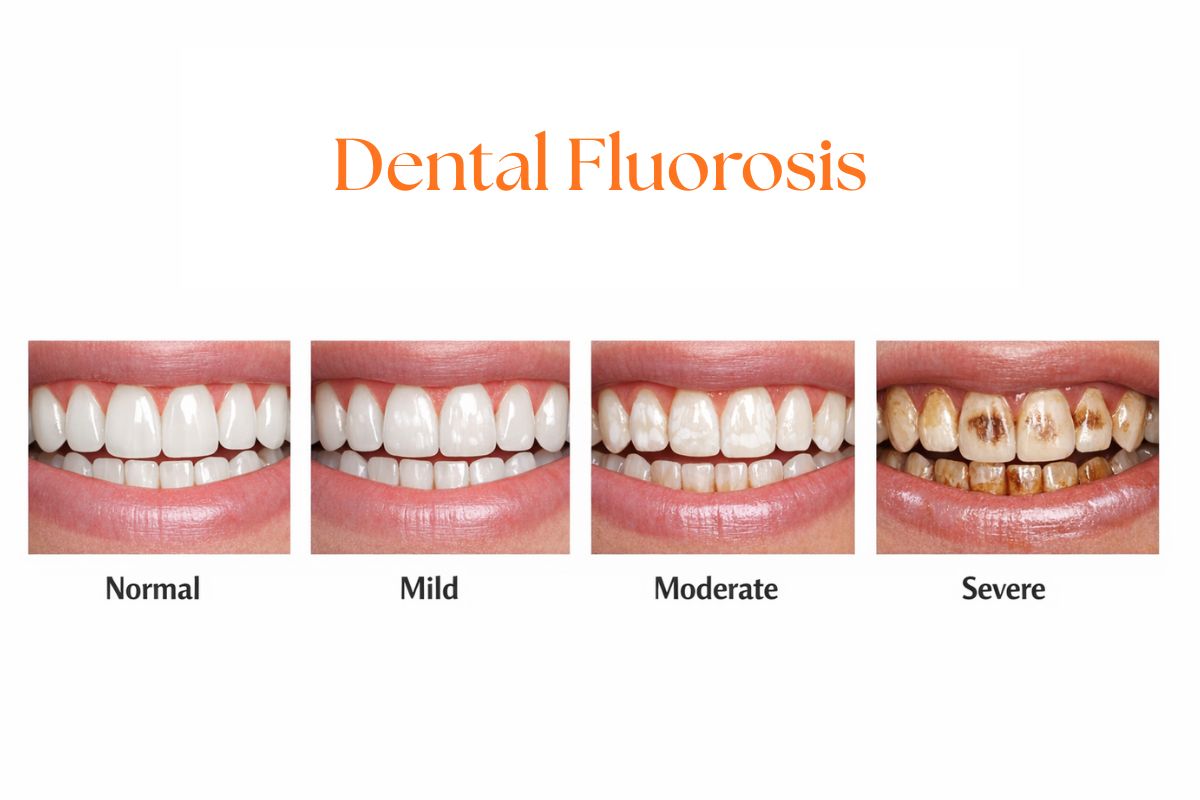
Dental fluorosis is discoloration of the permanent teeth due to consuming too much fluoride while your teeth are developing.
A mild case of dental fluorosis can give the teeth a white lacy appearance. A more severe case can cause the teeth to have a dark stained or pitted appearance.
What Causes Dental Fluorosis?
The cause of dental fluorosis is consuming too much fluoride while teeth are developing.
Fluoride is a naturally occurring mineral that is added to water because it has been proven to prevent cavities. The amounts of fluoride in water is monitored and considered safe.
Additionally, concentrated amount of fluoride can be found in toothpaste and mouth rinse. It is considered safe in these products, although children should be taught to spit out the toothpaste and mouth rinse as to not swallow it.
Fluoride Levels in Drinking Water
Fluoride naturally exists in many water sources. In most U.S. communities, fluoride levels in city water are carefully monitored and kept within safe limits. If fluoride levels are higher than recommended, your dentist may suggest alternative drinking water or adjusted fluoride use at home.
Signs and Symptoms of Dental Fluorosis
Most cases of dental fluorosis are minor and do not cause permanent damage to the teeth. Severe cases are rare. Signs of dental fluorosis can include:
- Pits or fissures
- White lacy appearance
- White splotches
- Yellow to dark brown stains
Dental Fluorosis Treatment Options
Mild dental fluorosis usually does not need treatment; however, if the appearance of the teeth is a concern, a cosmetic dentist in Naperville can recommend options that may help, such as:
- Dental veneer
- Dental teeth whitening
- Dental crown
- Dental filling
How to Prevent Dental Fluorosis
Here are a few tips to prevent dental fluorosis:
- If you have city water, you can contact your local water filtration plant for information regarding the amount of fluoride that is in your drinking water.
- If your water comes from a well or bottled water, you can have the water tested to determine how much fluoride is in it.
- Don’t use fluoride containing toothpaste or mouth rinse until your child can spit them out properly
- Keep fluoride containing products out the reach of younger children
- Only use a pea sized amount of fluoride toothpaste on your toothbrush
- Consult with your dentist in regards to the amount of fluoride that your child is receiving
- Schedule an appointment with your dentist and maintain regular dental check-ups for your child.
Caring Expert Naperville Dental Team
Dental fluorosis is usually mild and preventable. When fluoride is used correctly, it plays an important role in protecting your teeth from cavities. Since tooth development continues until about age 8, parental guidance and regular dental visits make all the difference.
If you’re concerned about your child’s fluoride intake or have questions about dental fluorosis prevention or treatment, our caring team is here to help. Call us at 630-505-1516 to schedule an appointment or speak with our dental professionals.