1516 Legacy Cir, Naperville, IL 60563




5 Questions About Dental Bridges Our Patients Always Ask First


If you are missing one or more teeth, a dental bridge may be exactly what you need. At Dentist Naperville – Living Well Dental Group, Dr. Keven Wells hears the same concerns from new patients every week. These are the 5 questions about dental bridges our patients always ask first in Naperville — and we want to answer them honestly before your first visit. Understanding what to expect helps you feel confident, not anxious. Let’s walk through each question together.
Question 1: What Exactly Is a Dental Bridge and How Does It Work?
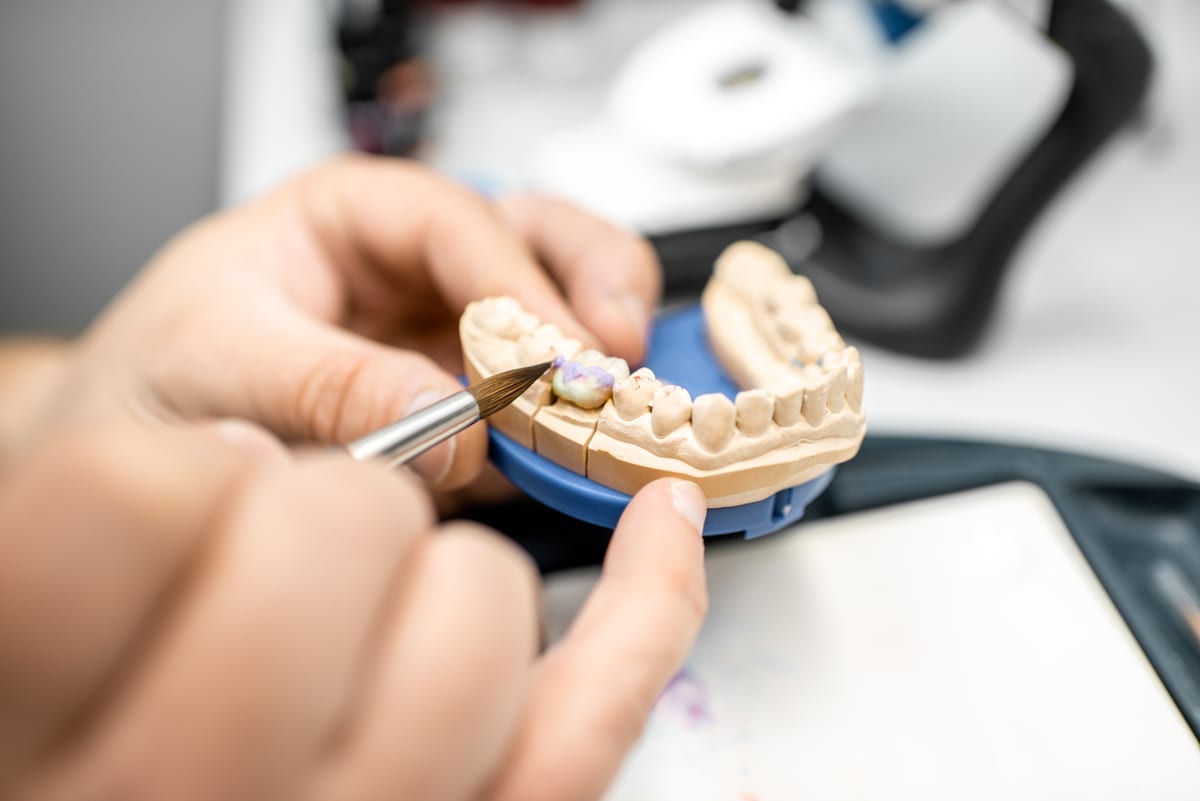
A dental bridge literally ‘bridges’ the gap left by a missing tooth. It consists of one or more artificial teeth, called pontics, anchored by dental crowns on either side. Those crowns attach to your natural teeth or implants, holding the bridge firmly in place.
The neighboring teeth that support the bridge are called abutment teeth. Dr. Wells reshapes them slightly so the crowns fit properly. Once placed, a bridge looks and functions very much like your natural teeth. Most patients adapt to eating and speaking normally within a short time.
Bridges are a fixed restoration, meaning they stay in your mouth permanently. You do not remove them at night like dentures. This makes them a popular choice for patients who want a stable, long-term solution to tooth loss.
Question 2: Am I a Good Candidate for a Dental Bridge in Naperville?
Not every patient is automatically a bridge candidate. Dr. Wells will evaluate several factors during your consultation. Good candidates typically have one to three consecutive missing teeth in the same area of the mouth.
Your surrounding teeth and gums also need to be healthy. If you have untreated gum disease or significant decay, those issues must be addressed first. Healthy bone structure is equally important to support the bridgework long-term.
Overall oral health matters too. Patients who commit to Preventive Dentistry Naperville routinely tend to have the healthiest outcomes with restorative work like bridges. Dr. Wells will review your dental and medical history to give you a clear, honest picture of your options.
- One to three consecutive missing teeth in the same area
- Healthy gum tissue with no active gum disease
- Strong neighboring teeth to serve as abutments
- Adequate bone density to support the restoration
- Commitment to good oral hygiene at home
Question 3: What Does the Dental Bridge Process Actually Look Like?
Many patients worry the process will be long or complicated. In reality, most bridges are completed in two main appointments. Knowing what to expect helps take the stress out of the experience entirely.
Here is a simple breakdown of the typical dental bridge process at our Naperville practice:
- Consultation and examination: Dr. Wells evaluates your teeth, gums, and bone health. X-rays are taken to plan the restoration accurately.
- Tooth preparation: The abutment teeth are gently reshaped, and impressions are taken. A temporary bridge protects your teeth while the permanent one is crafted.
- Bridge placement: Your custom bridge arrives from the dental lab. Dr. Wells checks the fit and bite carefully before permanently cementing it in place.
The entire process typically spans two to three weeks from start to finish. Most patients experience minimal discomfort after each appointment. Over-the-counter pain relief is usually sufficient if any tenderness occurs.
Question 4: How Long Will My Dental Bridge Last?
This is one of the most common concerns patients raise — and it is a smart one. A well-maintained dental bridge typically lasts ten to fifteen years. Some last even longer with excellent care.
The longevity of your bridge depends largely on your daily habits. Brushing twice a day and flossing under the bridge with a floss threader or water flosser is essential. Regular checkups at Living Well Dental Group allow Dr. Wells to catch any issues early.
Avoid chewing on hard foods like ice or hard candies near your bridge. Grinding your teeth at night can also wear down a bridge prematurely. If you grind, Dr. Wells may recommend a nightguard to protect your investment.
- Brush twice daily with a soft-bristled toothbrush
- Floss beneath the bridge using a floss threader or water flosser
- Attend regular checkups and professional cleanings
- Avoid biting hard objects or chewing ice
- Ask about a nightguard if you clench or grind your teeth
Question 5: How Does a Bridge Compare to Other Tooth Replacement Options?
Patients often ask how bridges stack up against dental implants or dentures. Each option has distinct advantages, and the right choice depends on your unique situation. Dr. Wells takes time to explain all three clearly during consultations.
Dental implants replace the tooth root as well as the visible crown. They are the most durable long-term solution and do not require reshaping neighboring teeth. However, they involve a surgical procedure and a longer treatment timeline.
Dentures are removable and can replace many teeth at once. They tend to cost less upfront but require daily removal and cleaning. Some patients find them less stable than fixed options like bridges or implants.
A dental bridge offers a middle ground. It is fixed, non-surgical, and completed relatively quickly. If you are also exploring other treatments at our practice — like Invisalign Faqs Naperville — Dr. Wells can help you prioritize the right sequence of care for your smile goals.
Why Naperville Patients Trust Dr. Keven Wells With Their Smiles
At Living Well Dental Group, we believe every patient deserves straightforward answers before committing to any treatment. Dr. Wells and our team take a genuinely educational approach to care. We never rush you into a decision.
Our Naperville patients appreciate that we listen first and recommend second. Whether you are dealing with a single missing tooth or multiple gaps, we will walk you through every option. Your comfort and confidence matter deeply to us at every step.
You came here with real questions about dental bridges, and we hope these answers give you the clarity you deserve. The next step is simply a conversation with our friendly team. Book Now to schedule your appointment with our team.
Frequently Asked Questions
Does getting a dental bridge hurt?
Most patients experience very little discomfort during the bridge procedure. Dr. Wells uses local anesthesia to keep you comfortable during tooth preparation. Any soreness afterward is usually mild and resolves within a few days.
How much does a dental bridge cost in Naperville?
The cost of a dental bridge varies depending on the number of teeth being replaced and the materials used. Dr. Wells will provide a clear treatment estimate during your consultation so you can plan accordingly.
Can I eat normally with a dental bridge?
Yes, most patients eat comfortably with a dental bridge once they adjust. You may want to stick to softer foods for the first few days after placement. After that, you can enjoy most foods as long as you avoid very hard or sticky items.
How do I clean under a dental bridge?
Cleaning under a bridge requires a little extra effort. A floss threader, interdental brush, or water flosser can reach beneath the pontic effectively. Dr. Wells and our hygiene team will show you the best techniques at your appointment.
What happens if I do not replace a missing tooth?
Leaving a gap in your smile can lead to shifting teeth, bone loss, and changes in your bite over time. Replacing missing teeth promptly helps preserve your oral health and facial structure. A dental bridge is one of the most efficient ways to address this issue.